Class 10 C.Math Lesson 5 Note
#Unit -5 Pyramid
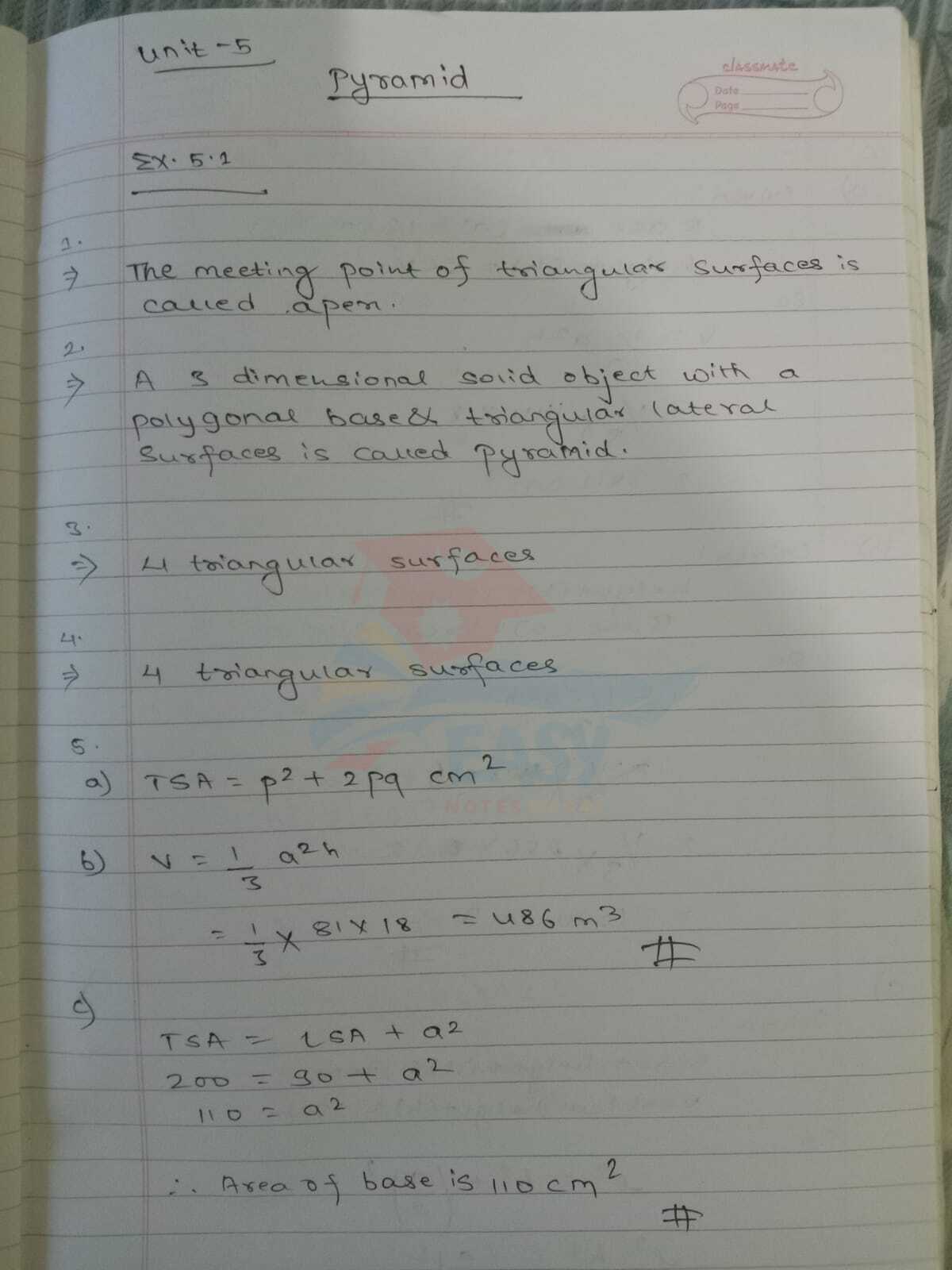

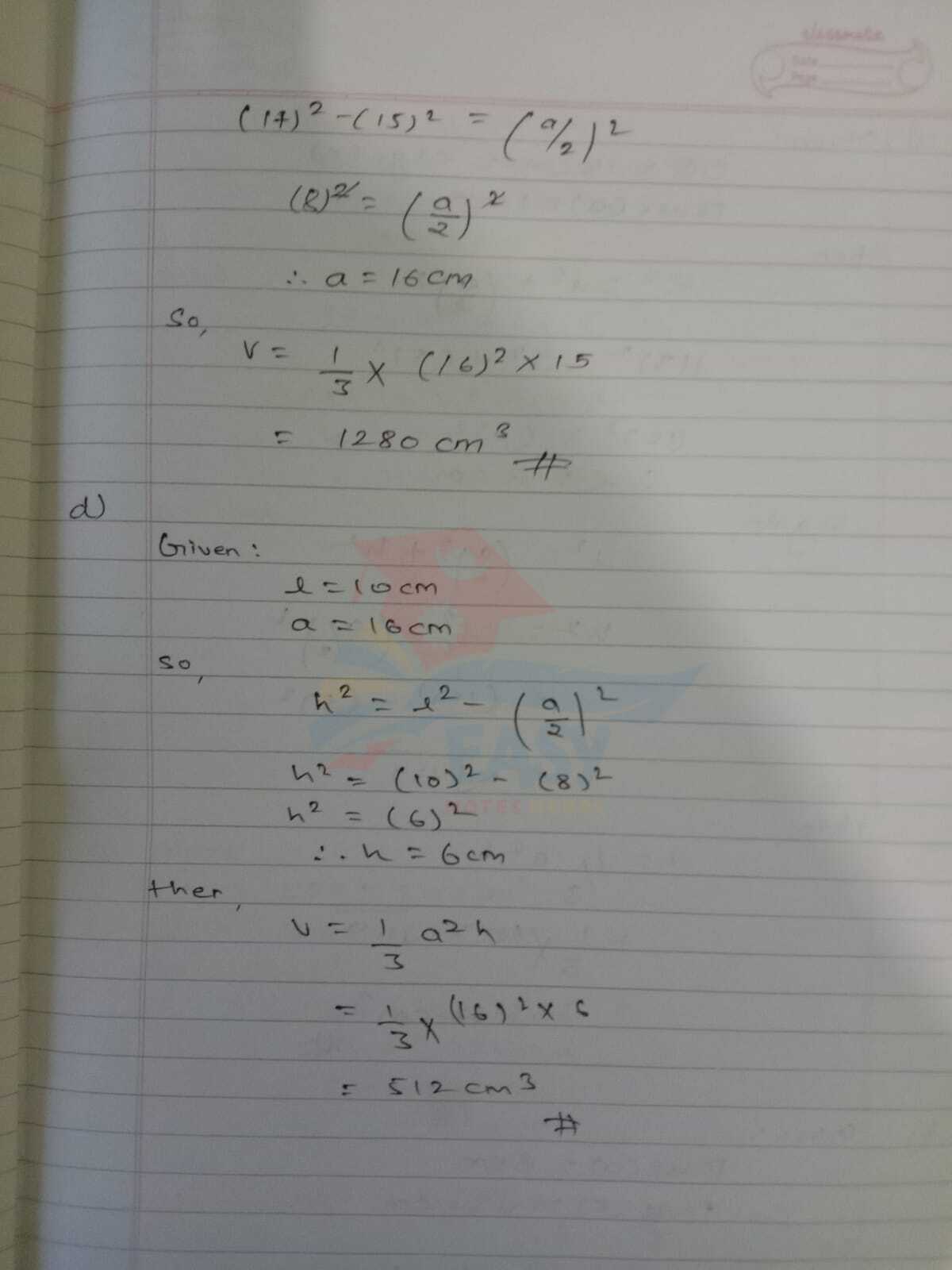
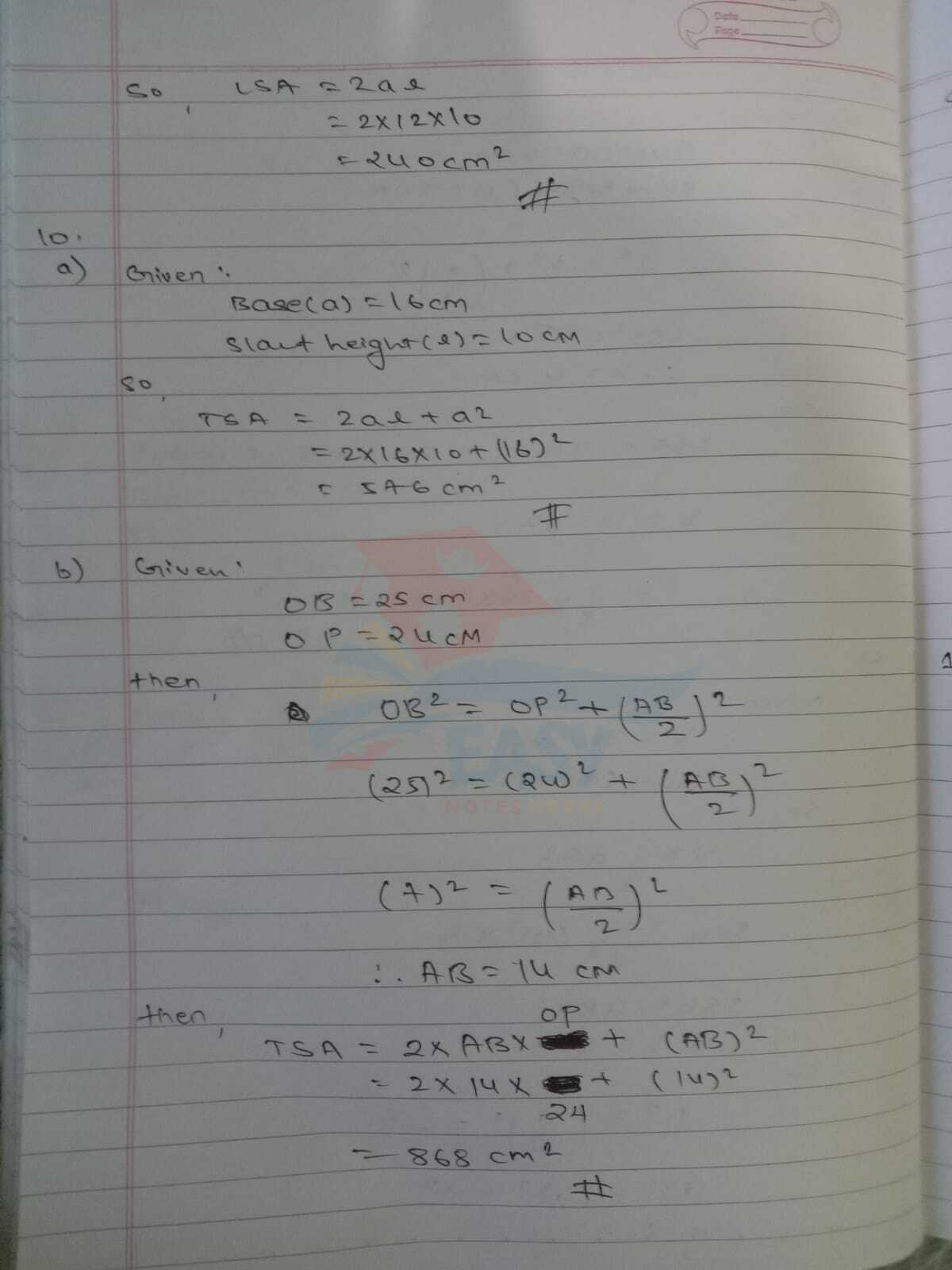
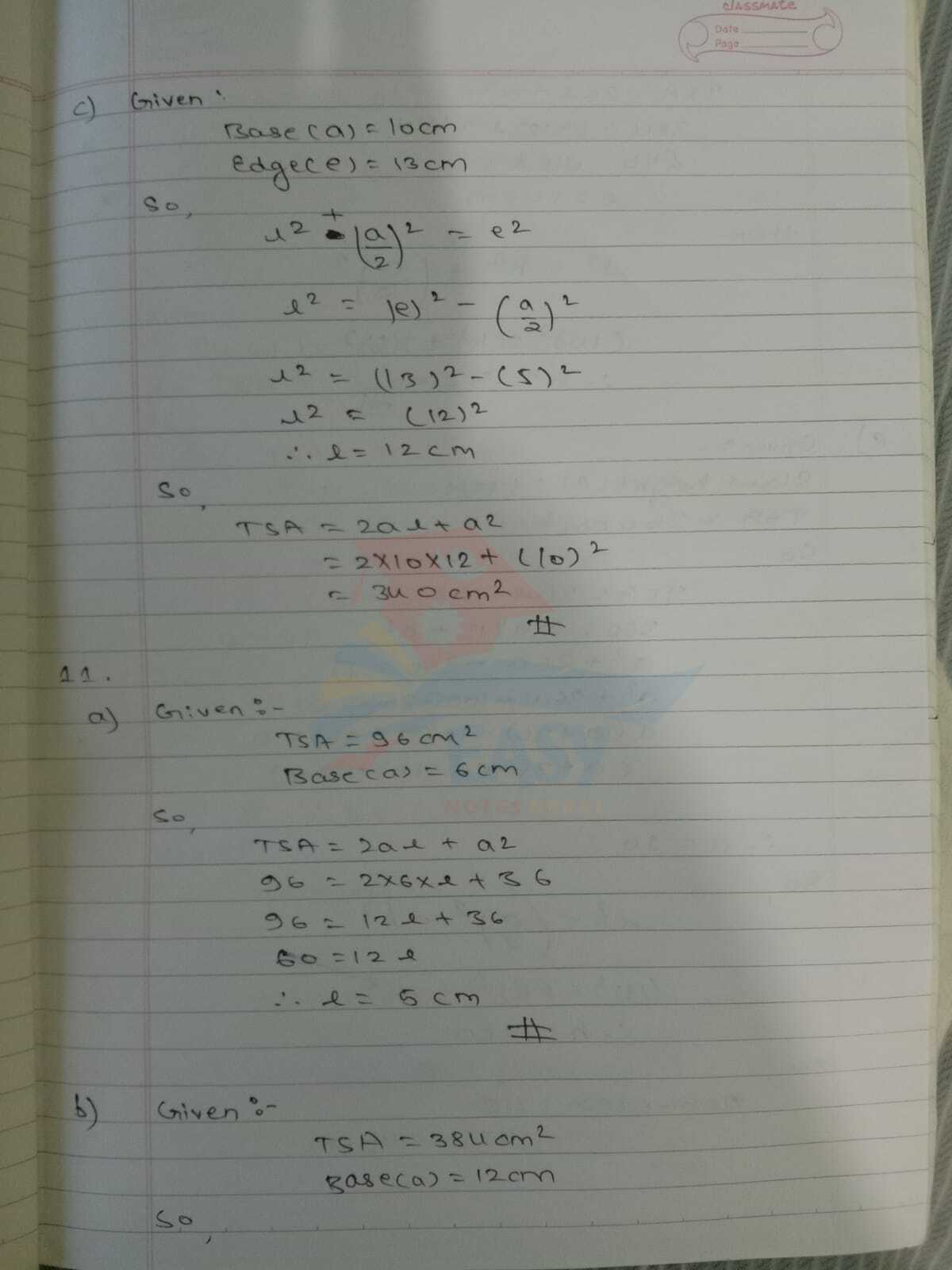
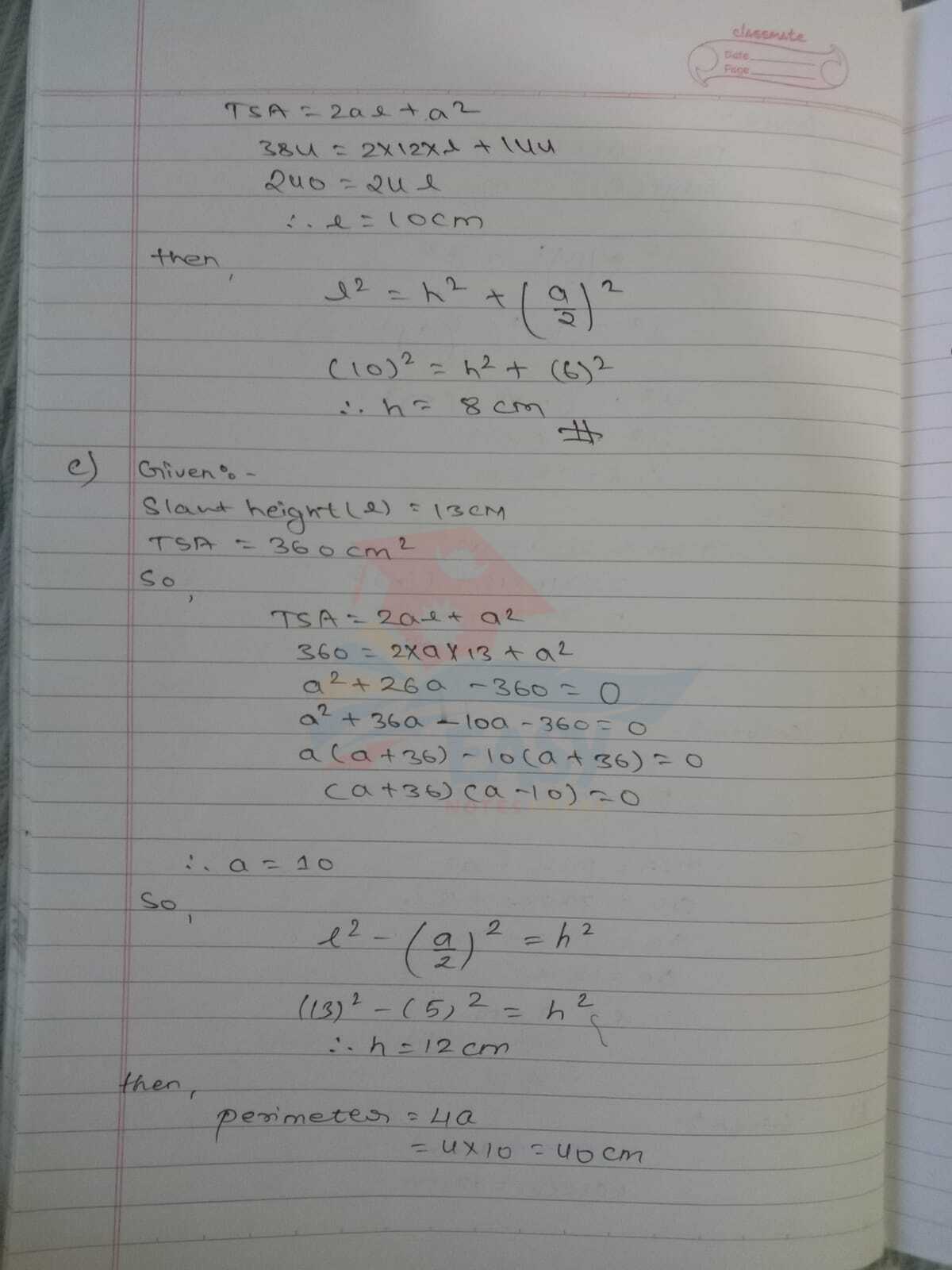
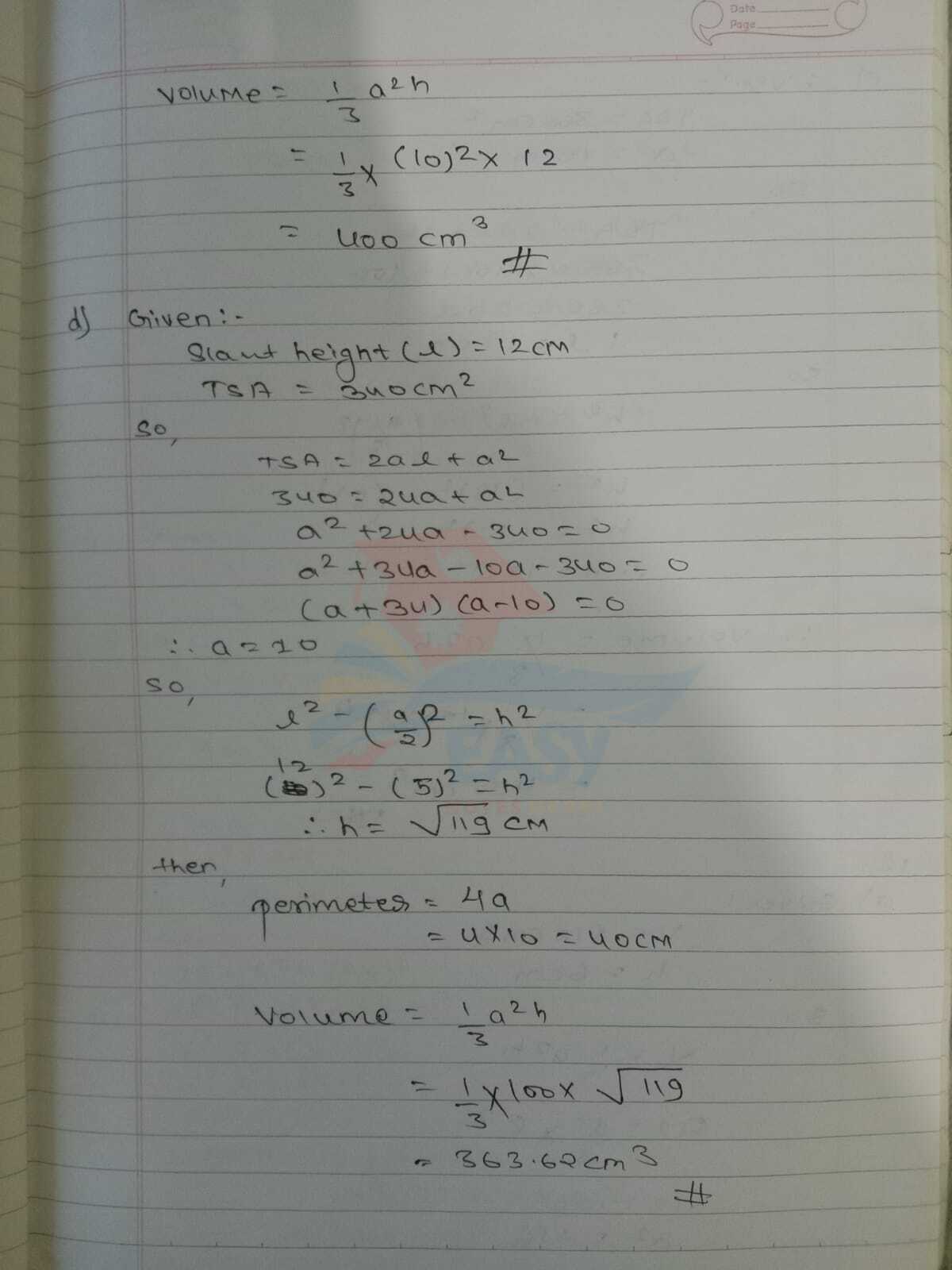
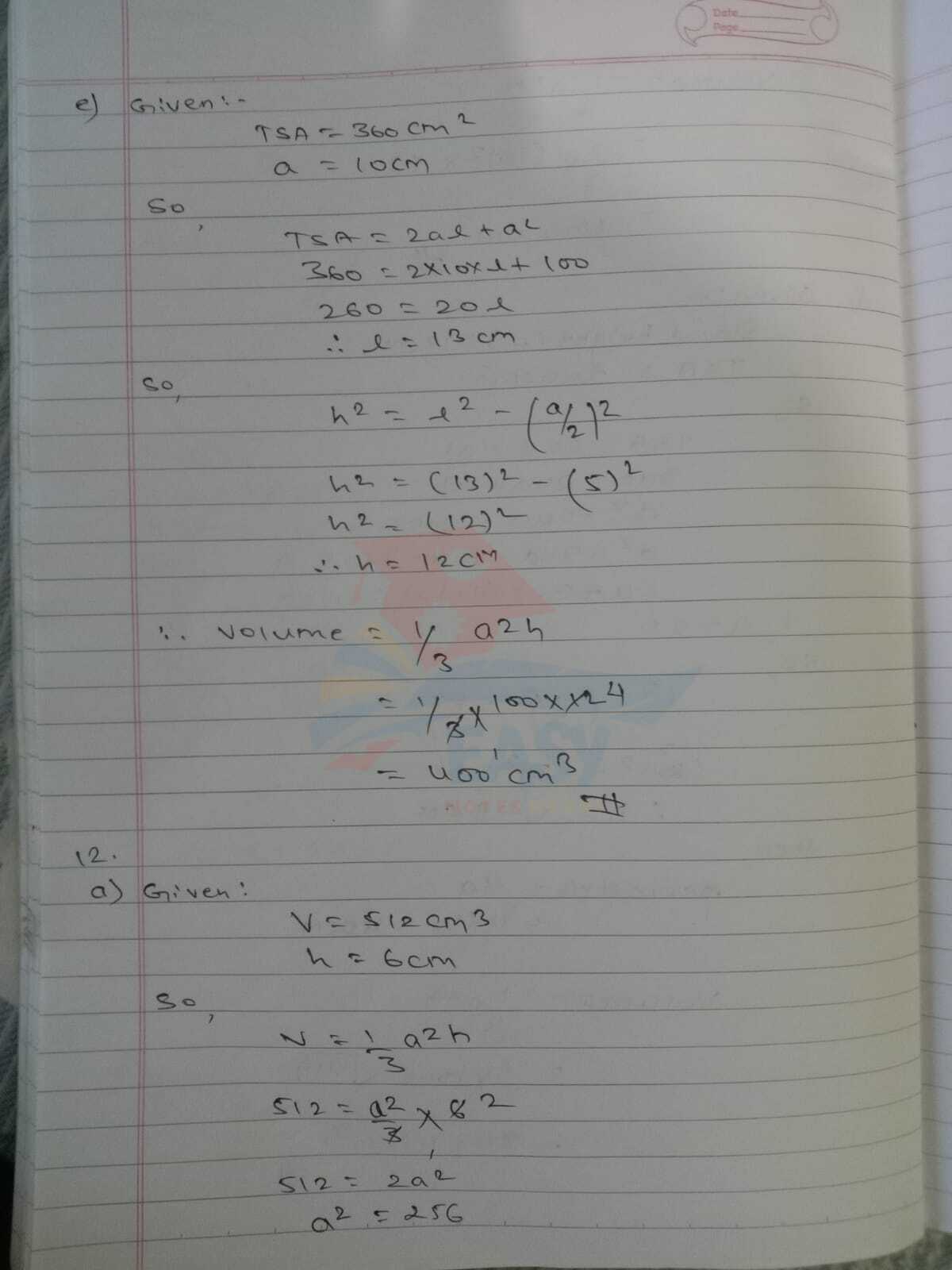
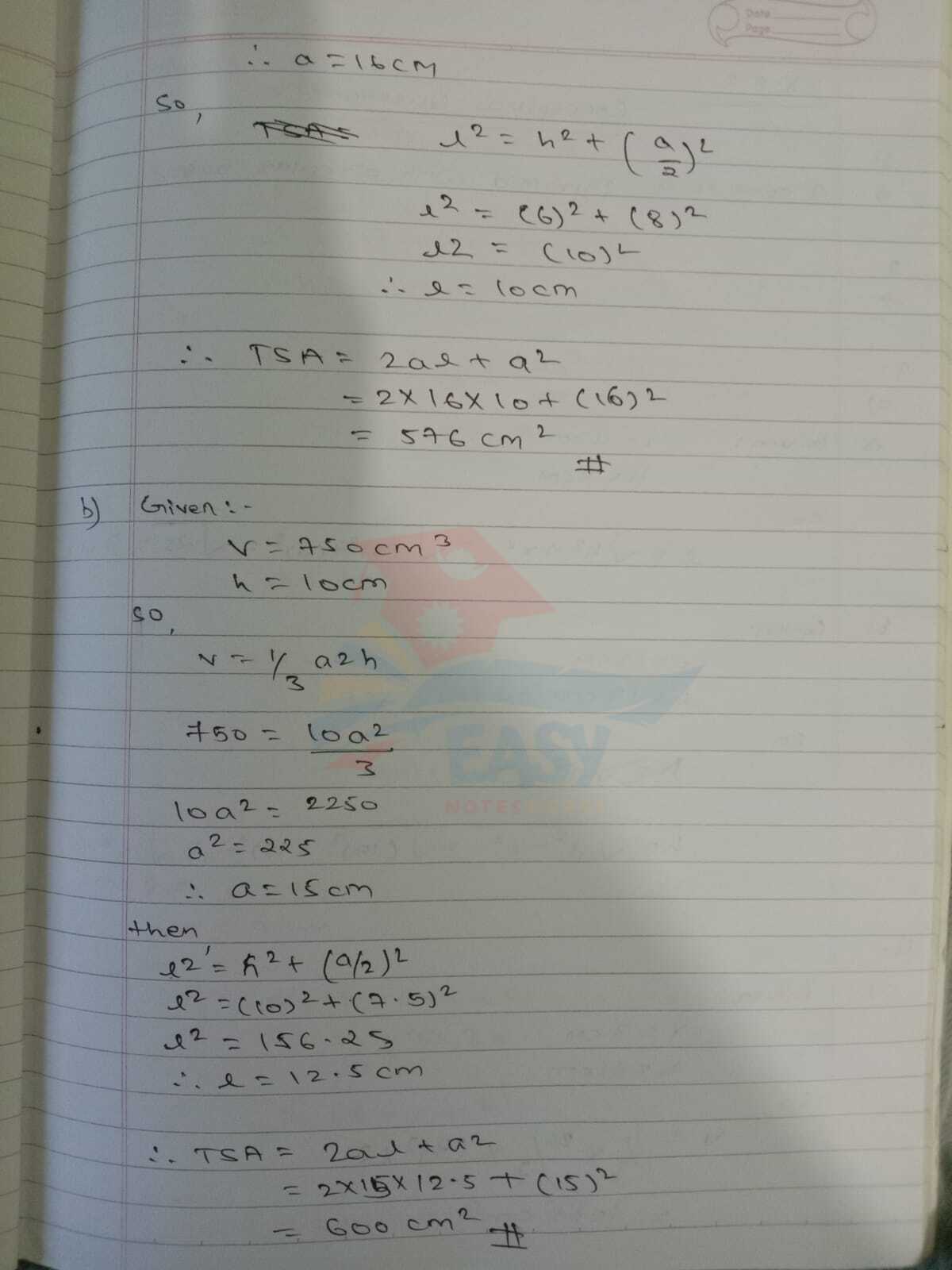
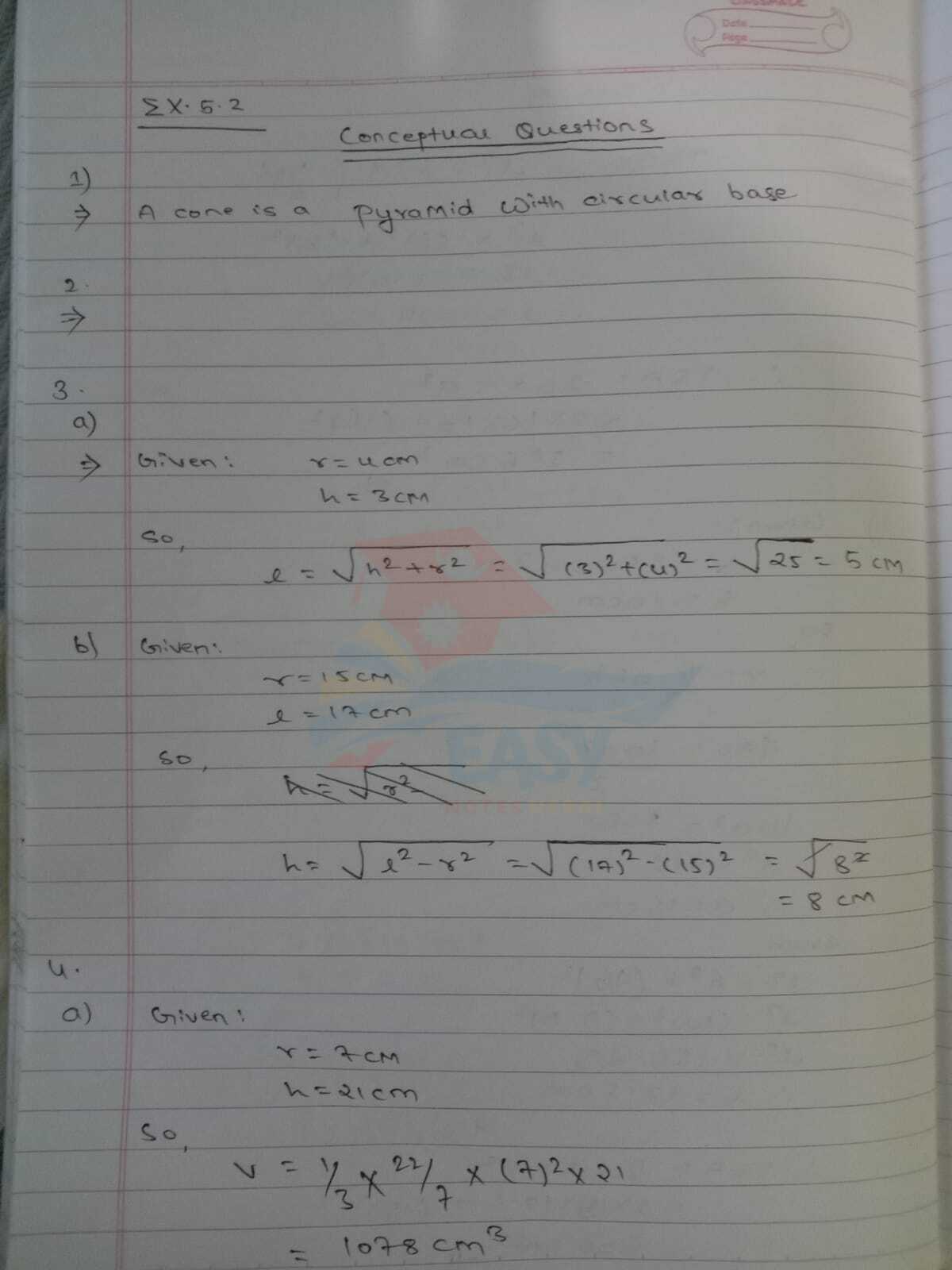
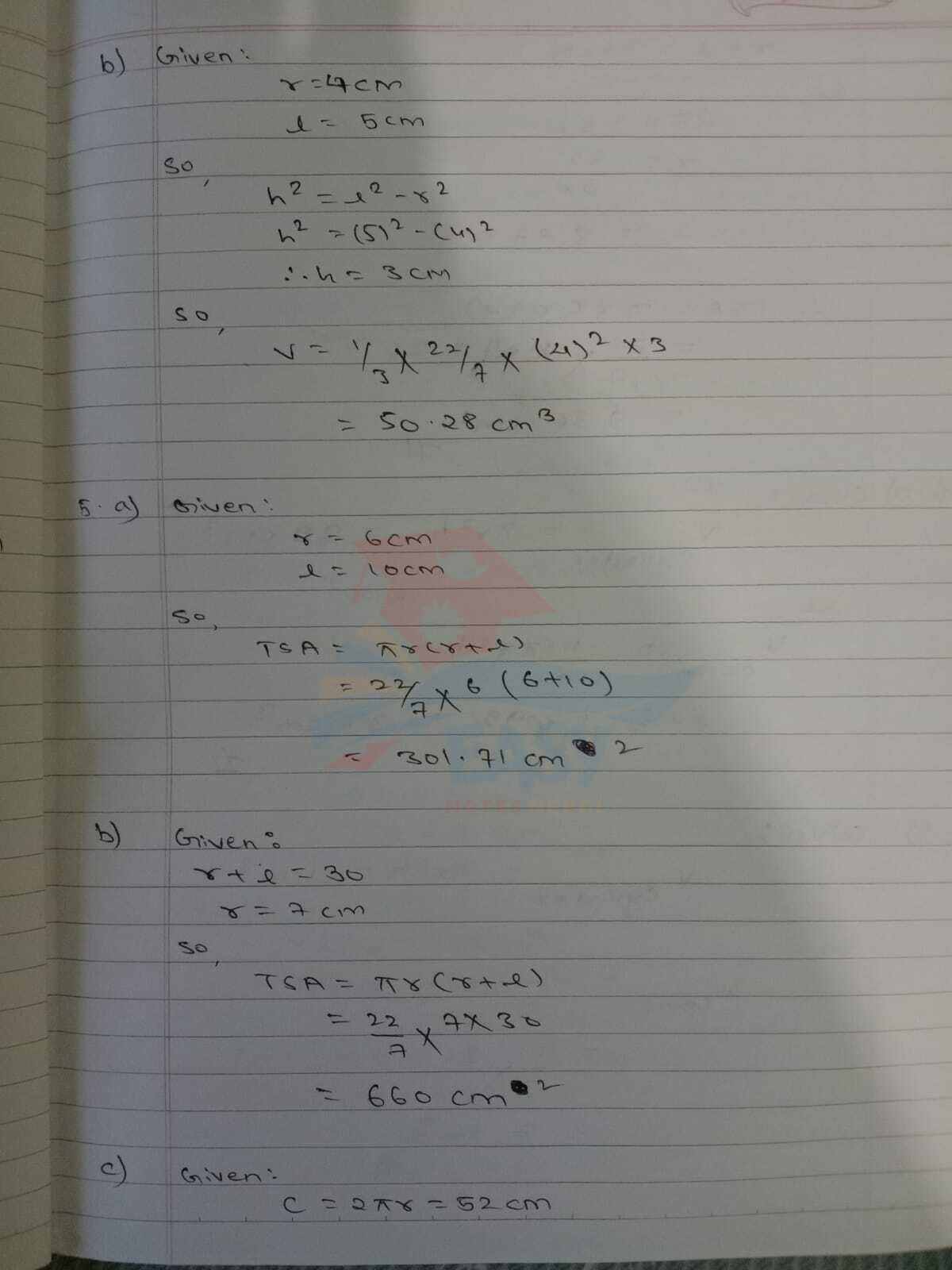
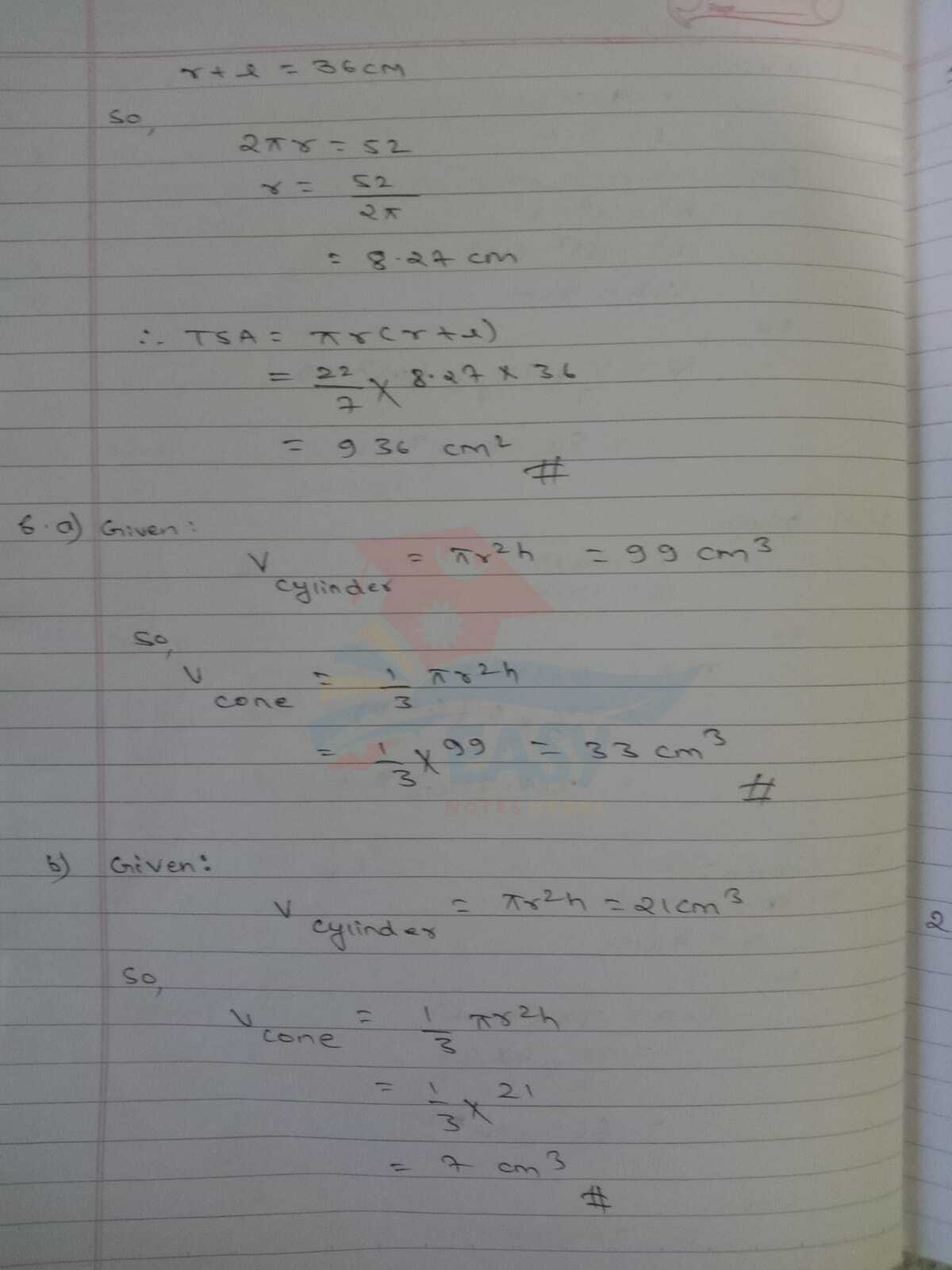
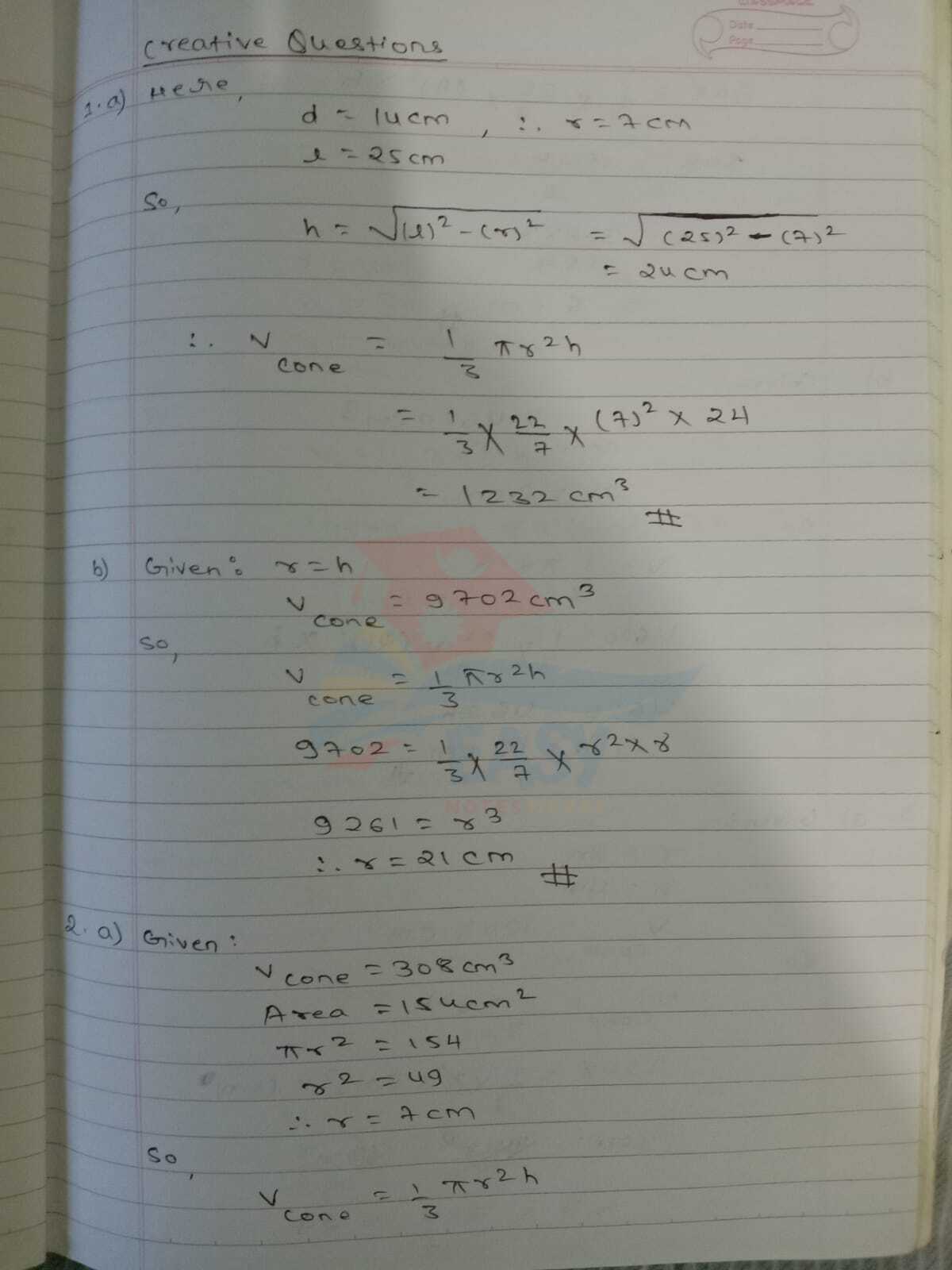
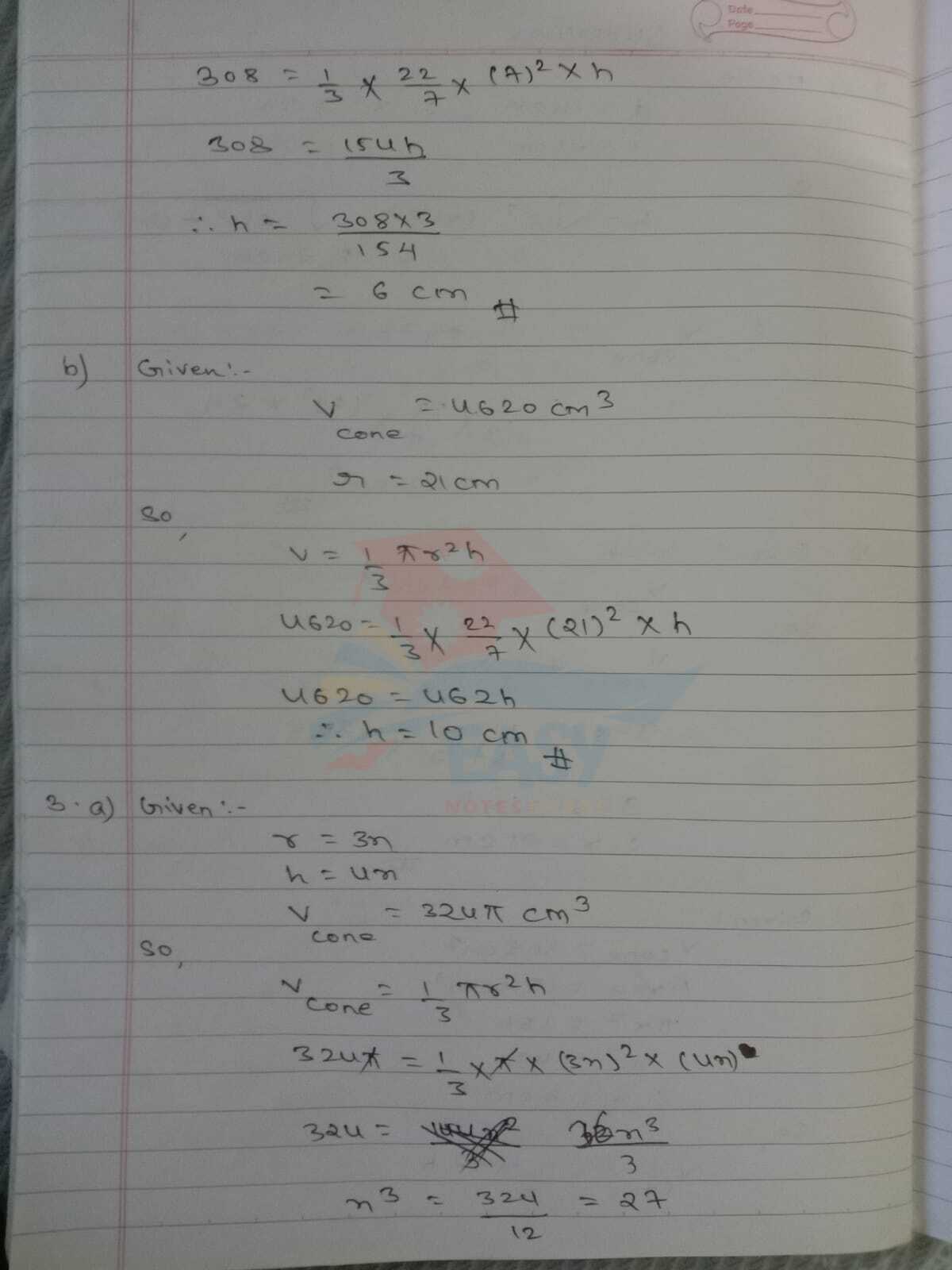
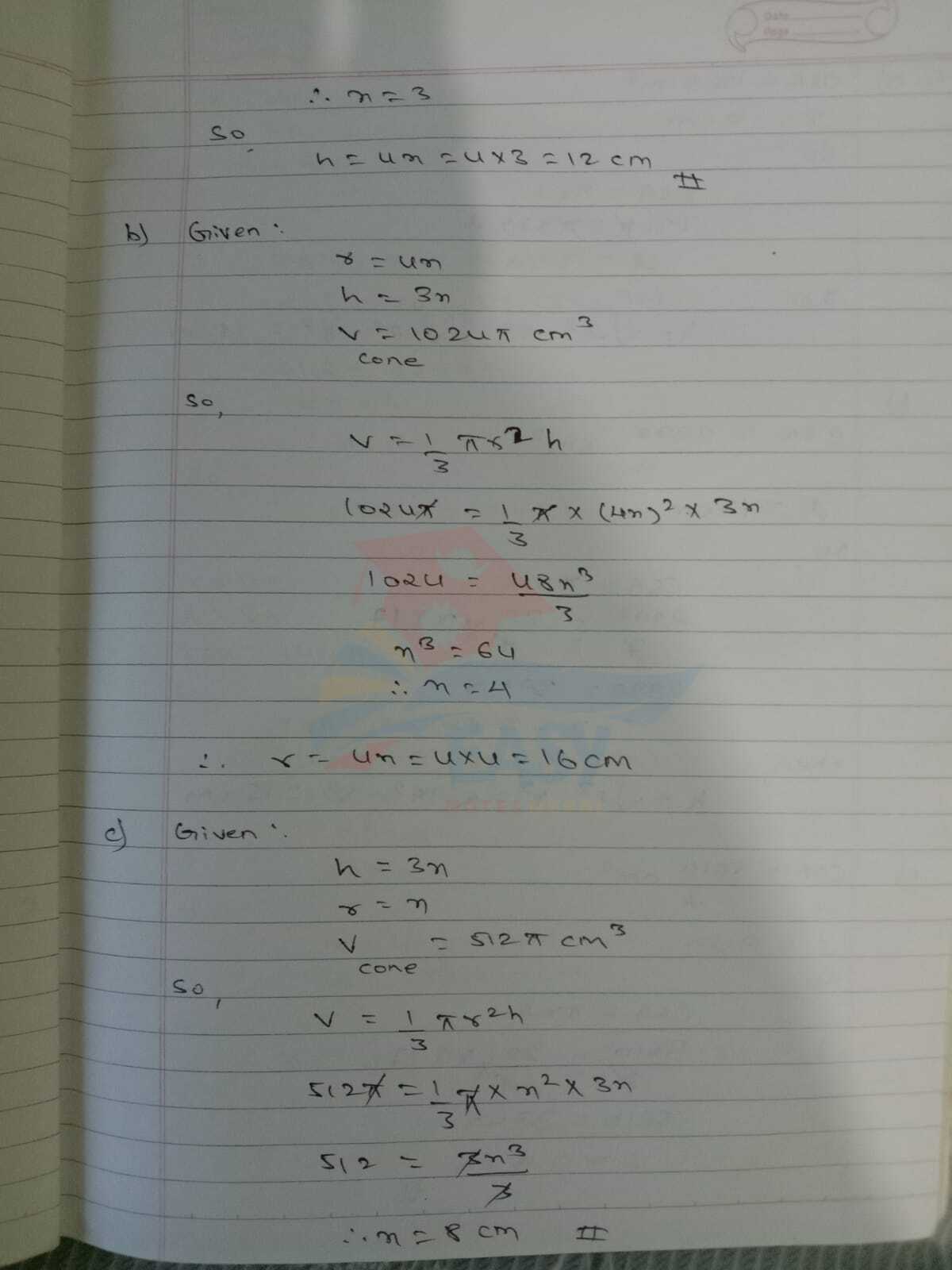
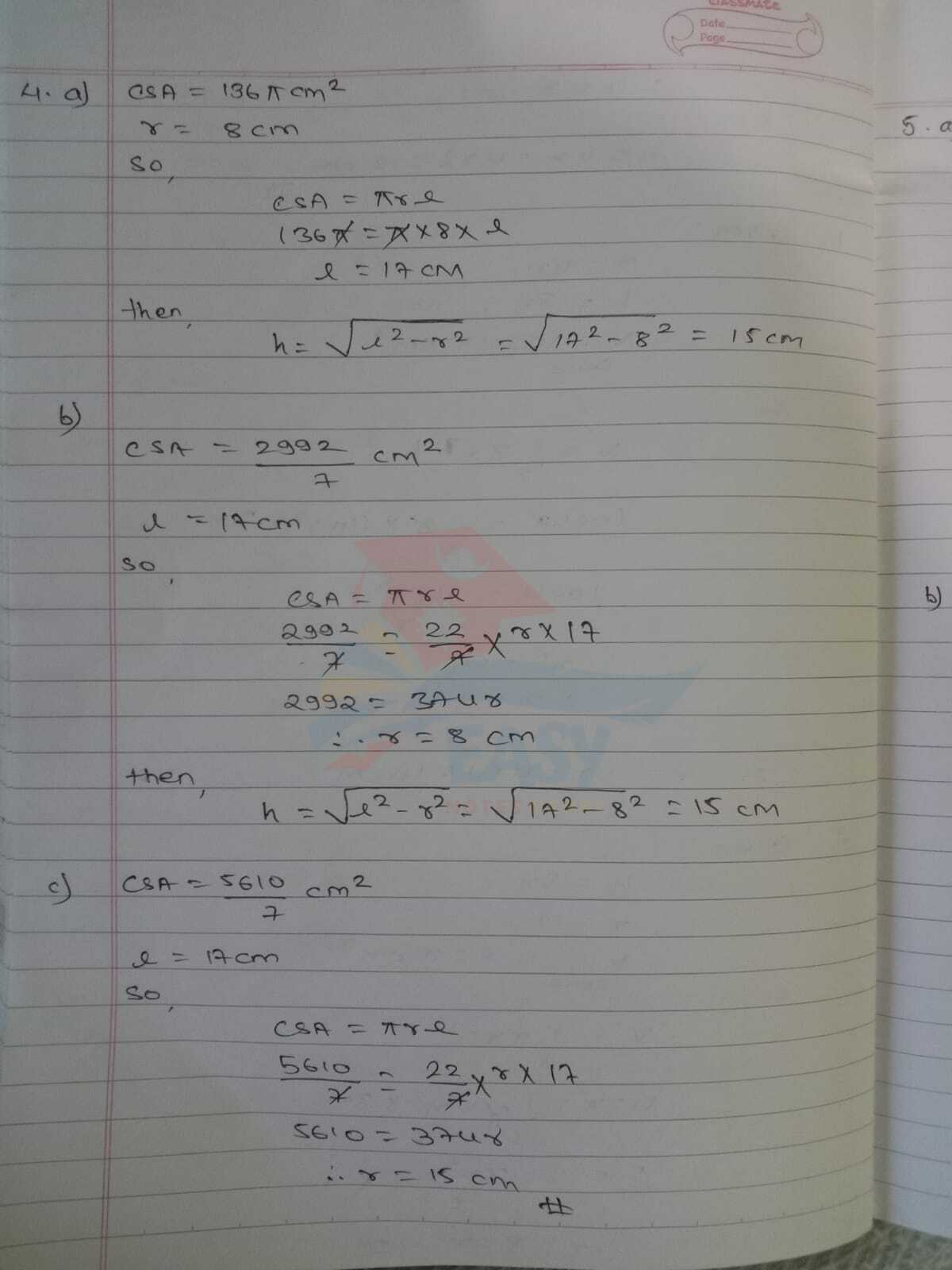
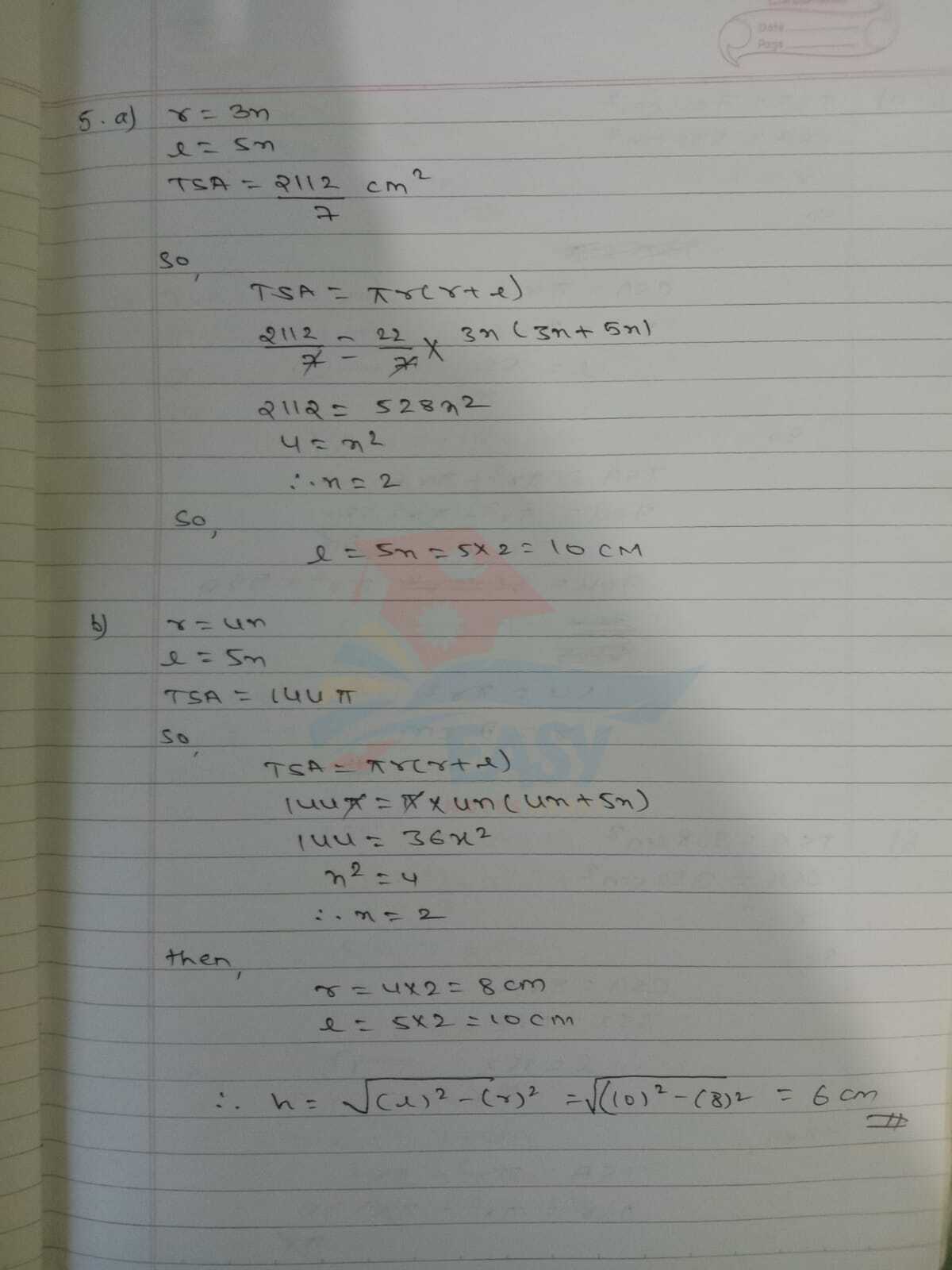
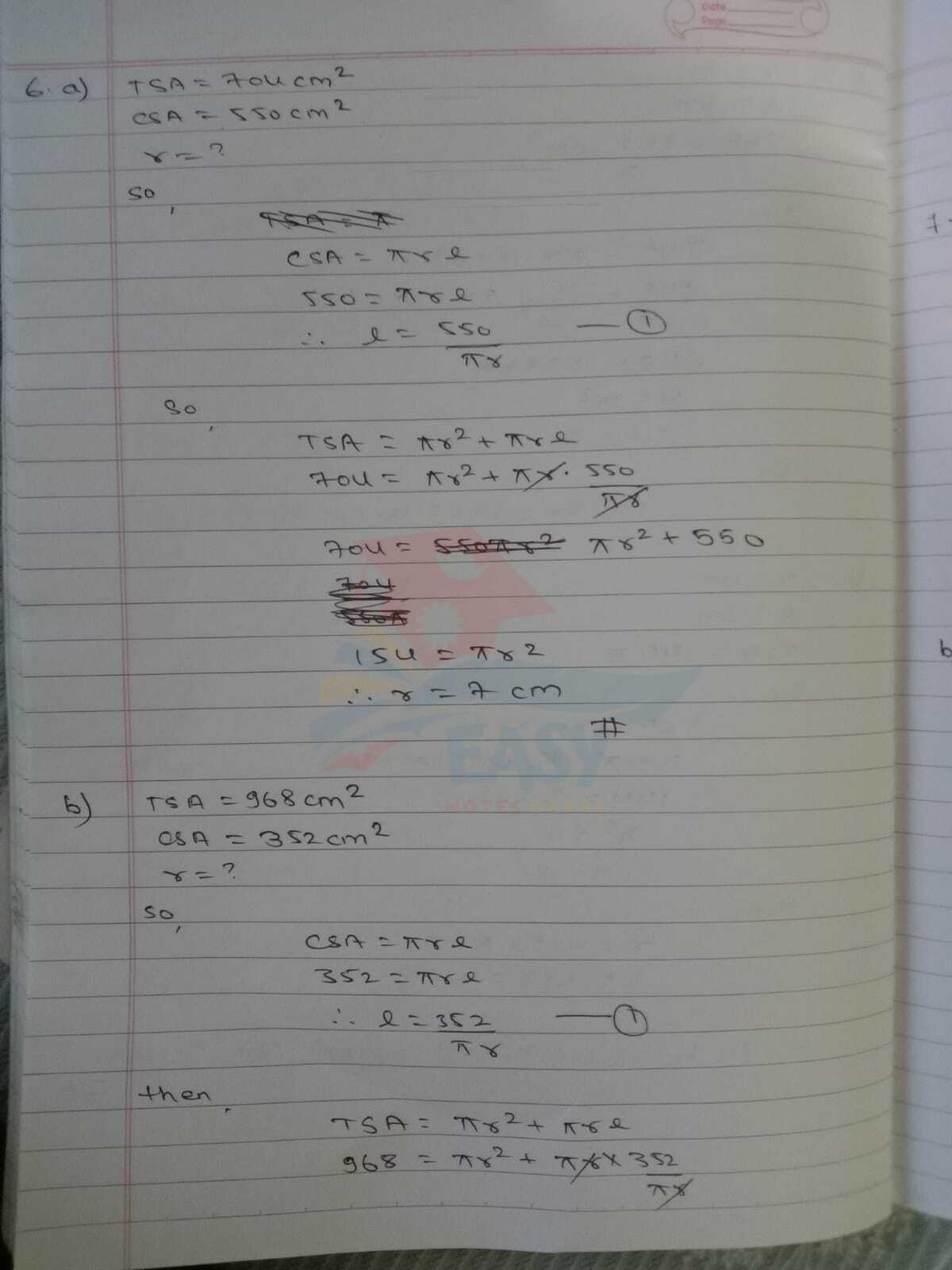
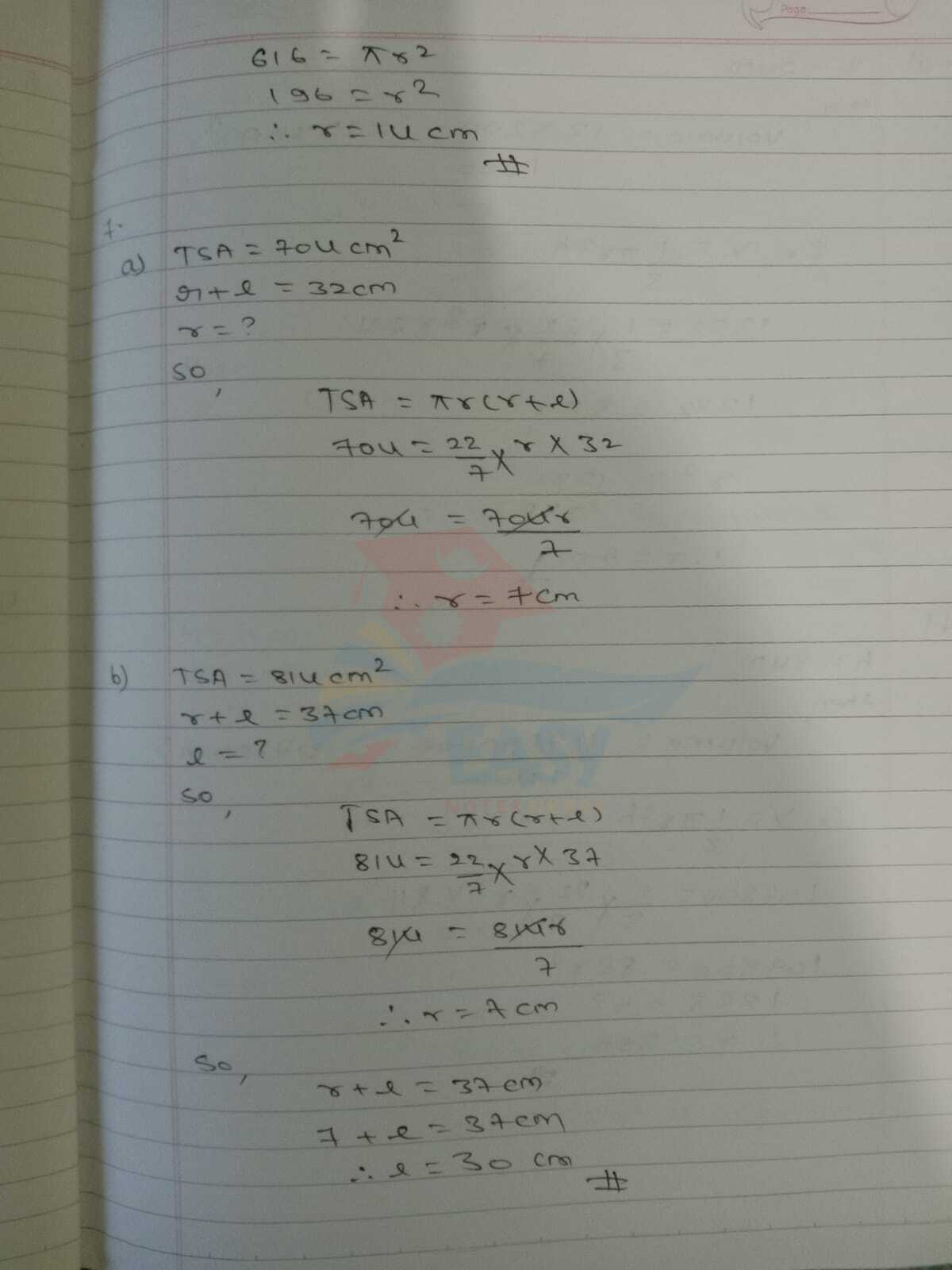
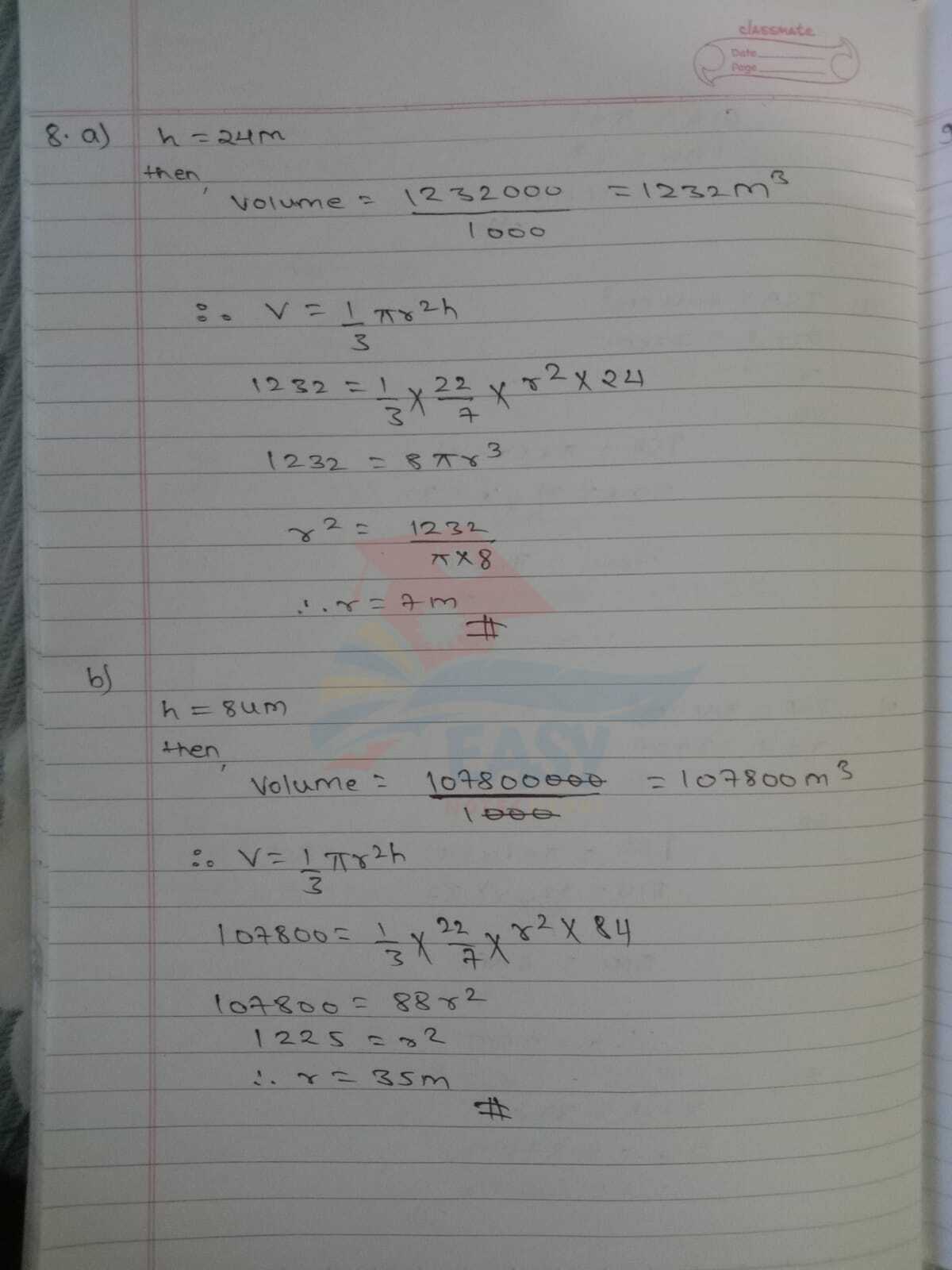
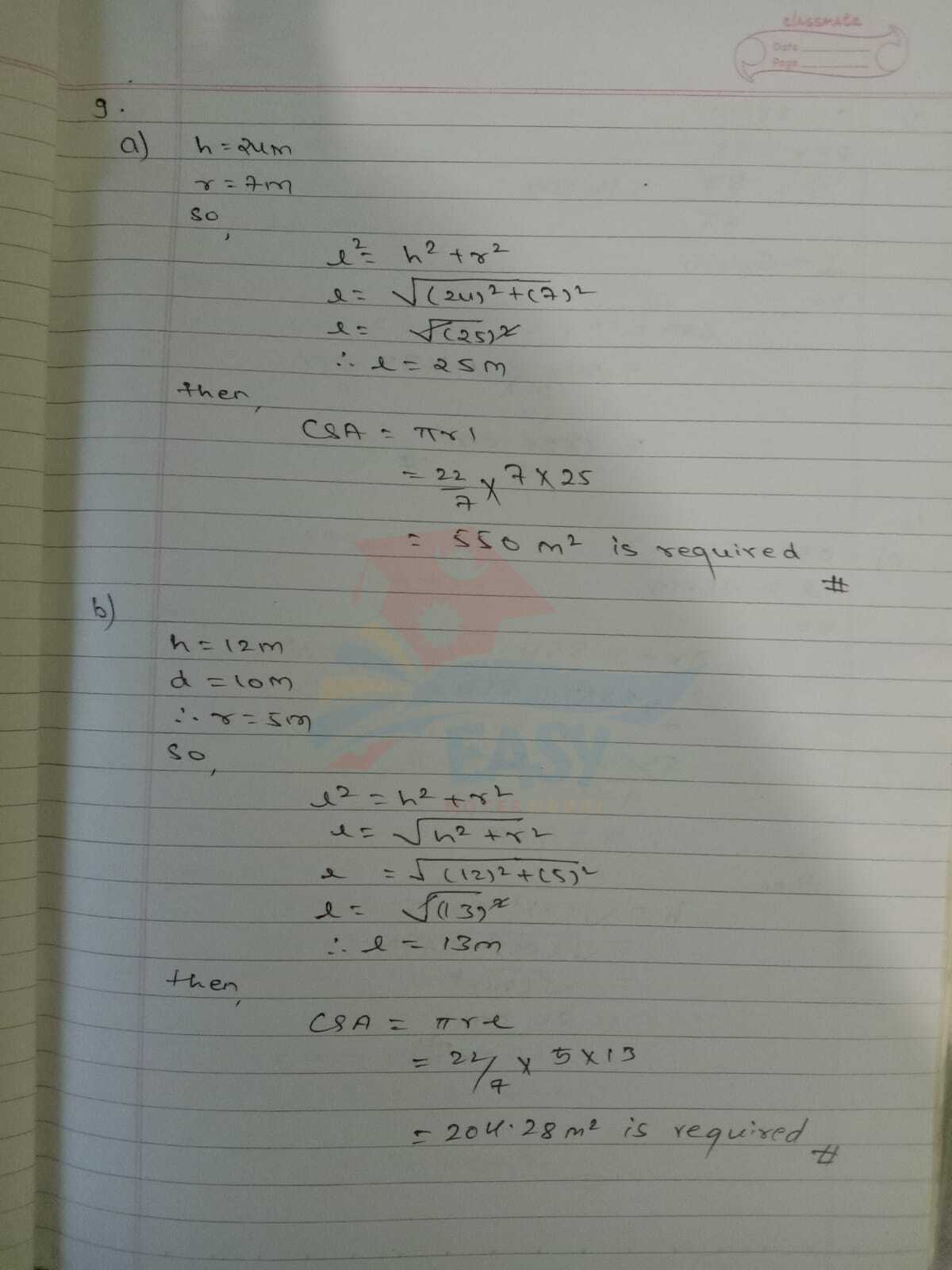
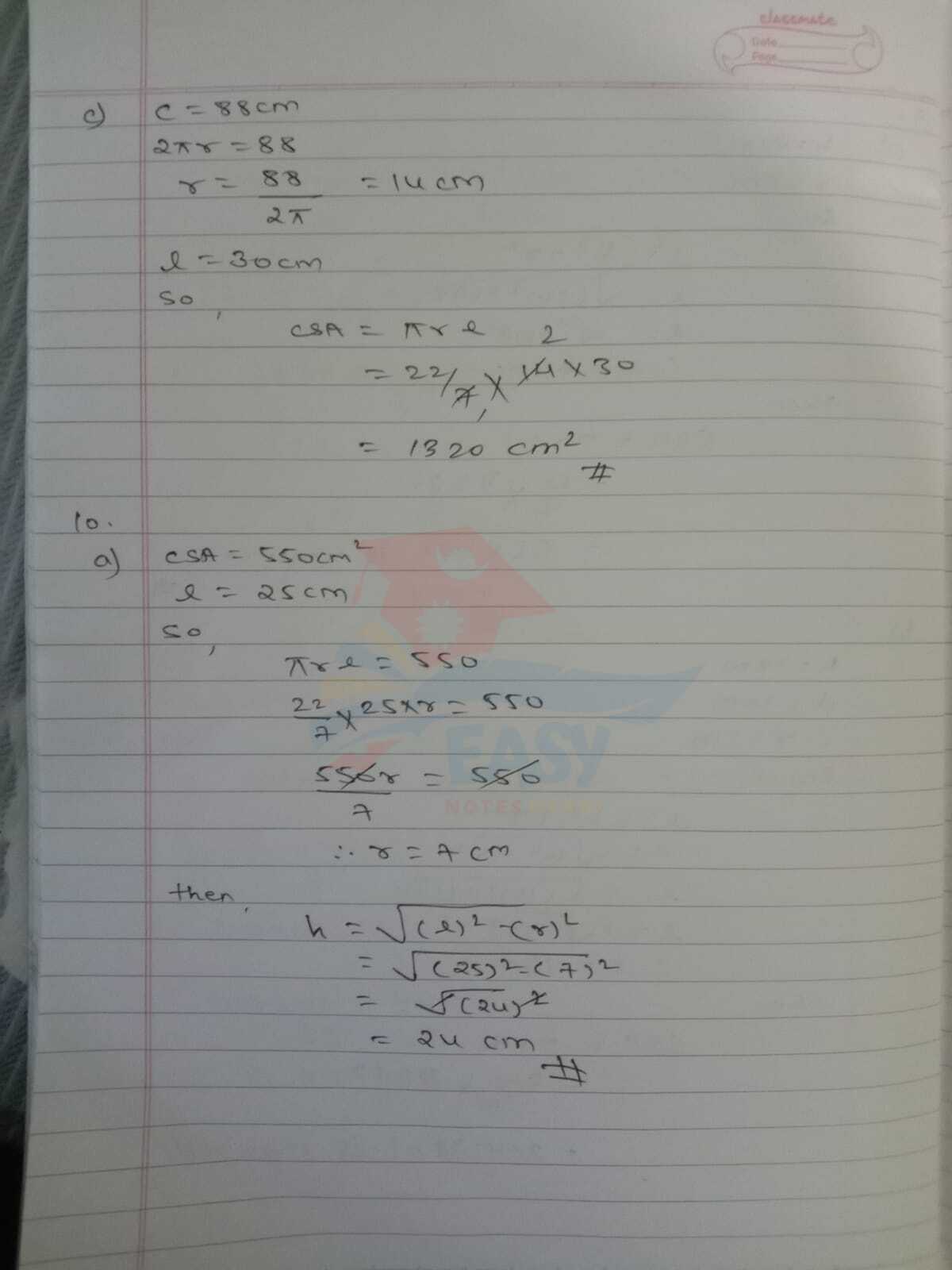
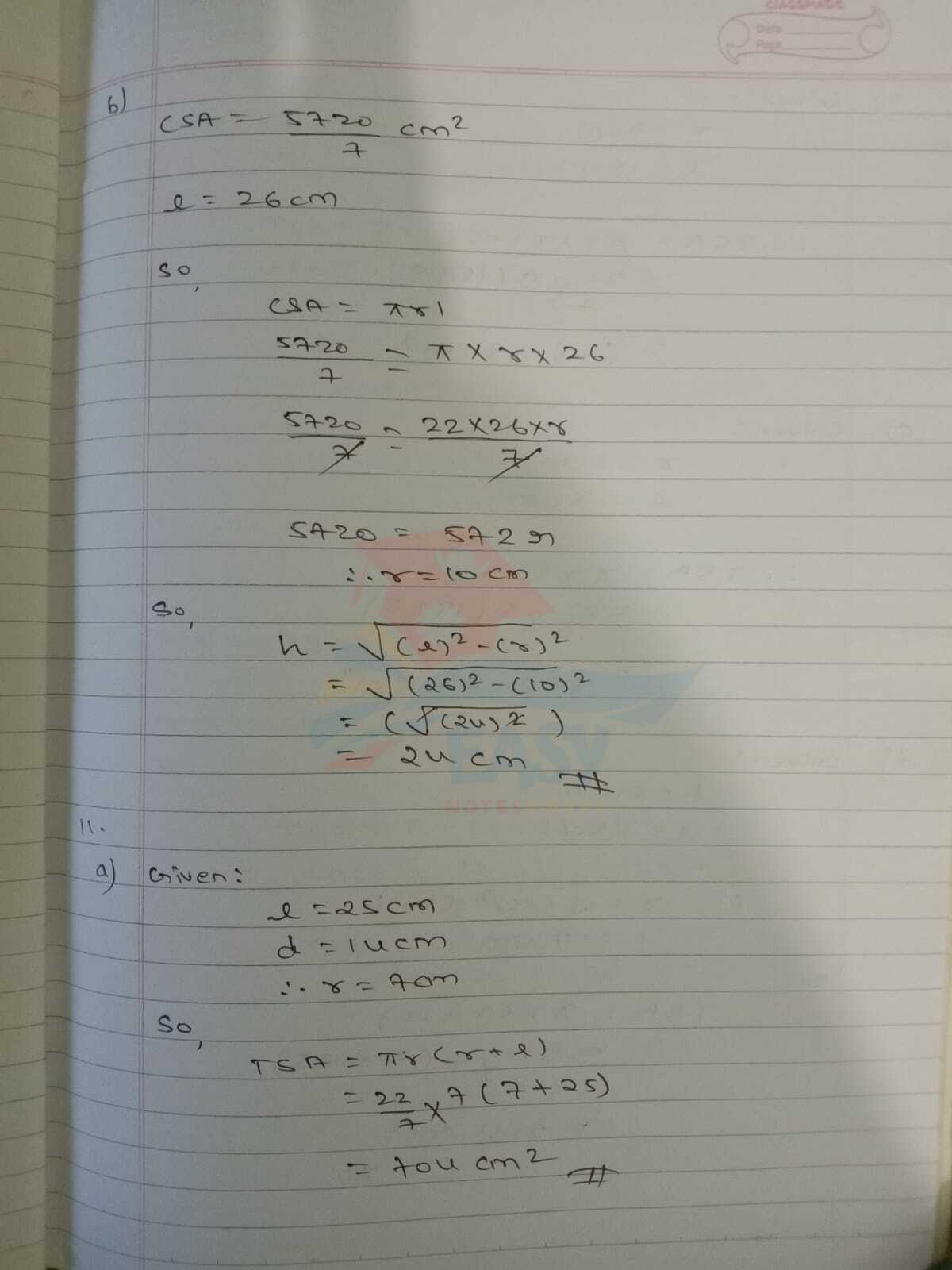
📘 Class 10 Mathematics – Unit 5: Pyramid
A pyramid is a three-dimensional solid with a polygon base and triangular faces that meet at a single point (apex). In Unit 5 of Class 10 Mathematics, students learn how to calculate the surface area and volume of different types of pyramids.
This chapter blends geometry with practical calculations, helping students understand spatial reasoning and real-life structures like monuments and buildings.
🧠 Key Concepts Covered
-
Definition of a Pyramid:
A solid with a polygonal base and triangular sides that converge at a point. -
Types of Pyramids:
-
Square Pyramid
-
Triangular Pyramid (Tetrahedron)
-
Rectangular Pyramid
-
-
Key Formulas:
🔹 Volume of Pyramid:V=13×Base Area×HeightV = \frac{1}{3} \times \text{Base Area} \times \text{Height}
🔹 Surface Area of Pyramid:
Surface Area=Base Area+Lateral Surface Area\text{Surface Area} = \text{Base Area} + \text{Lateral Surface Area}
(Lateral surface depends on slant height and shape)
-
Slant Height vs. Perpendicular Height:
Learn to distinguish and use the correct one in formulas. -
Word Problems:
-
Finding volume and surface area
-
Calculating material required to construct a pyramid
-
Converting units when needed (cm² to m², etc.)
-
📚 Why This Unit Is Important
Understanding pyramids improves spatial thinking and geometric visualization. It also prepares students for real-life applications like architecture, construction, and engineering. In SEE exams, it’s a very scoring chapter with formula-based problems that are easy to crack.
📥 View the Picture Notes
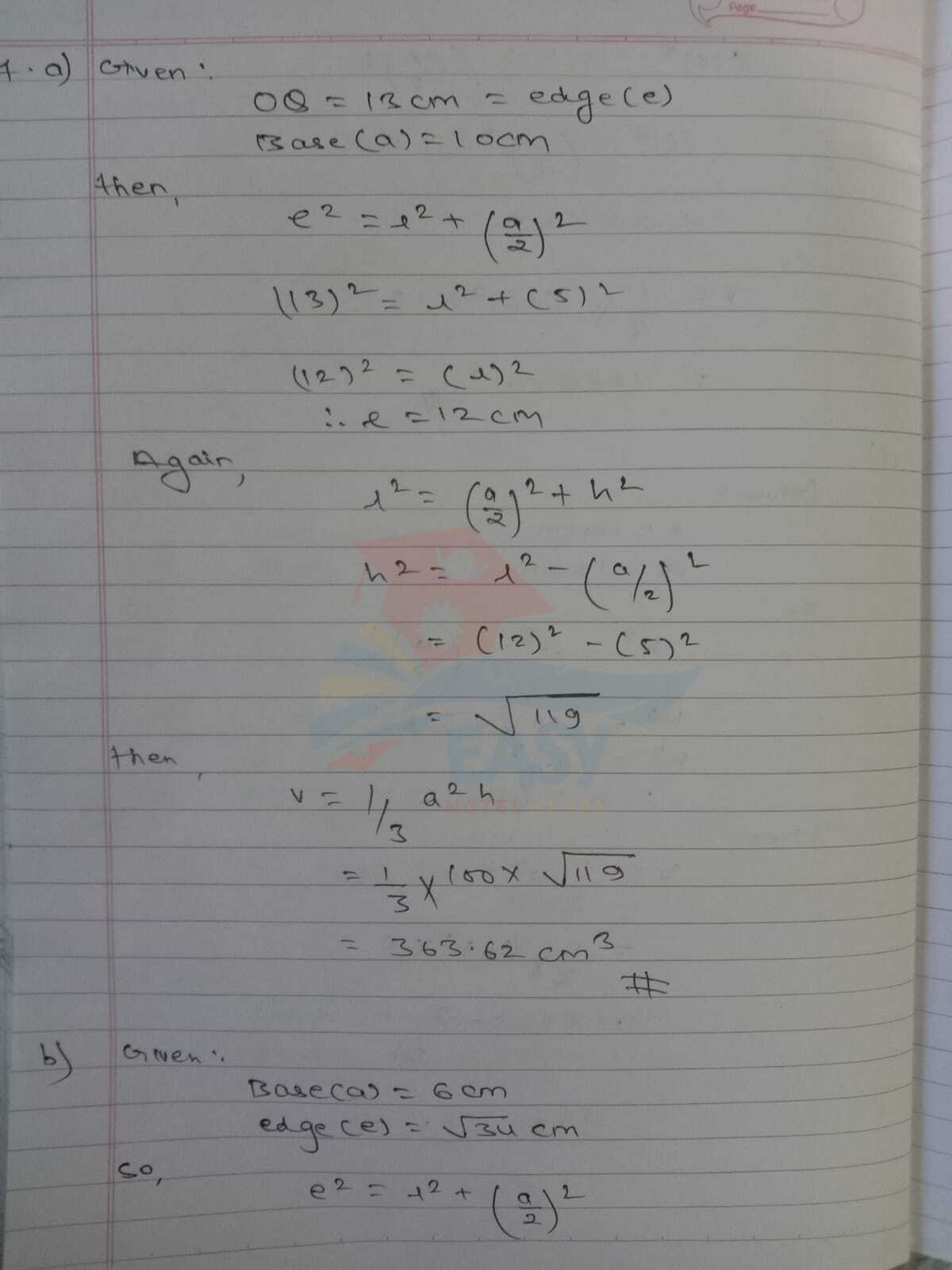
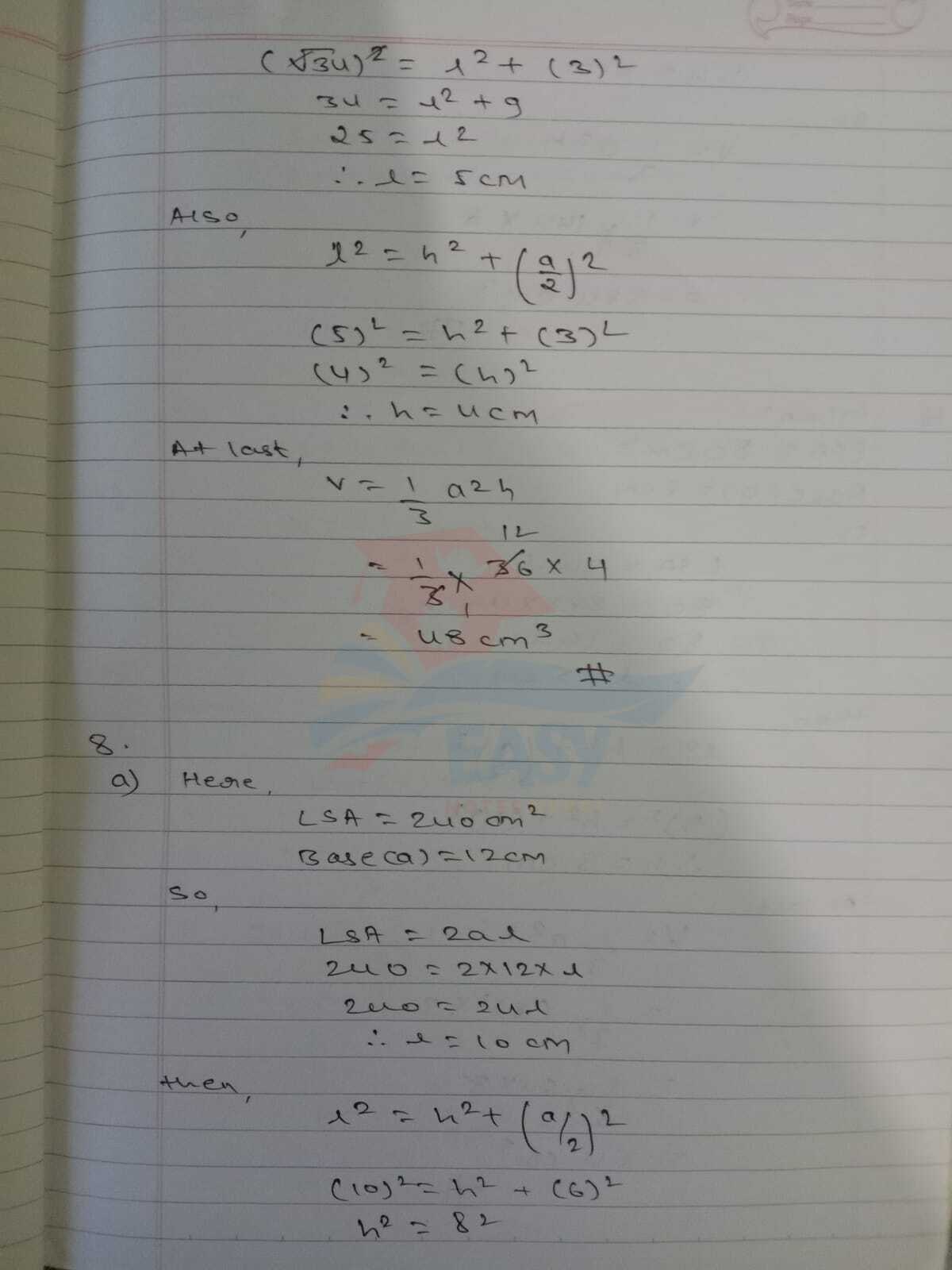
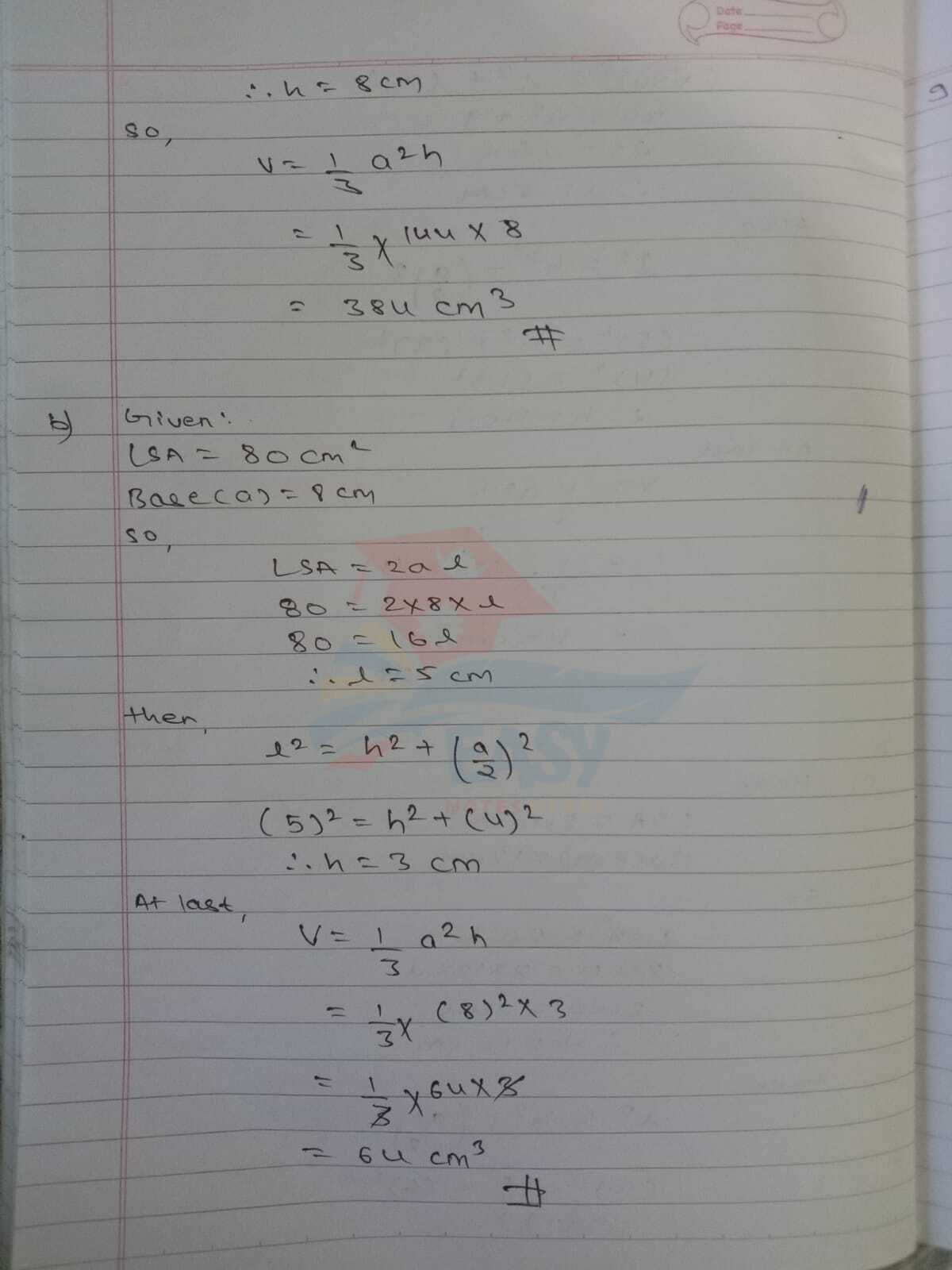
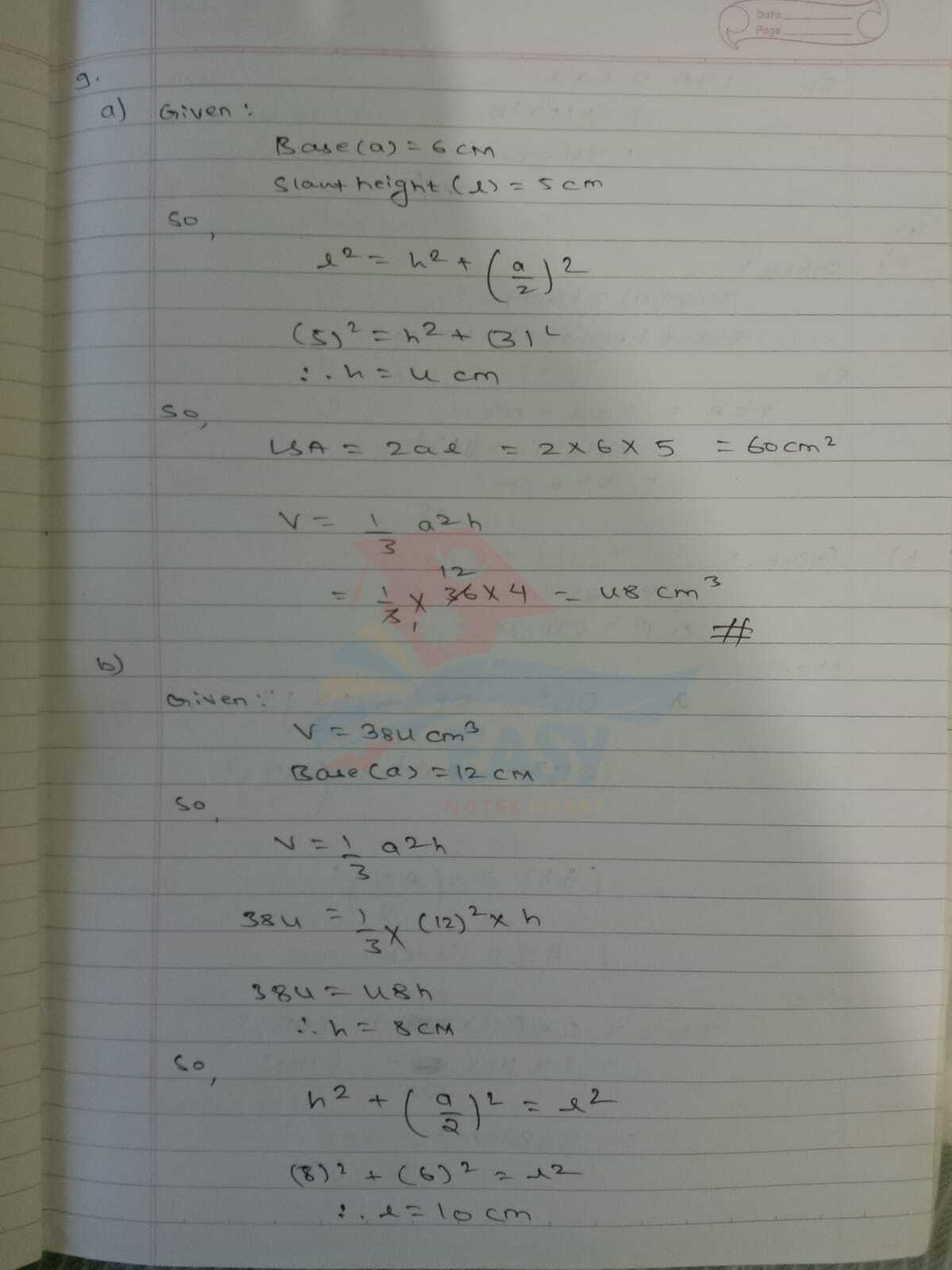
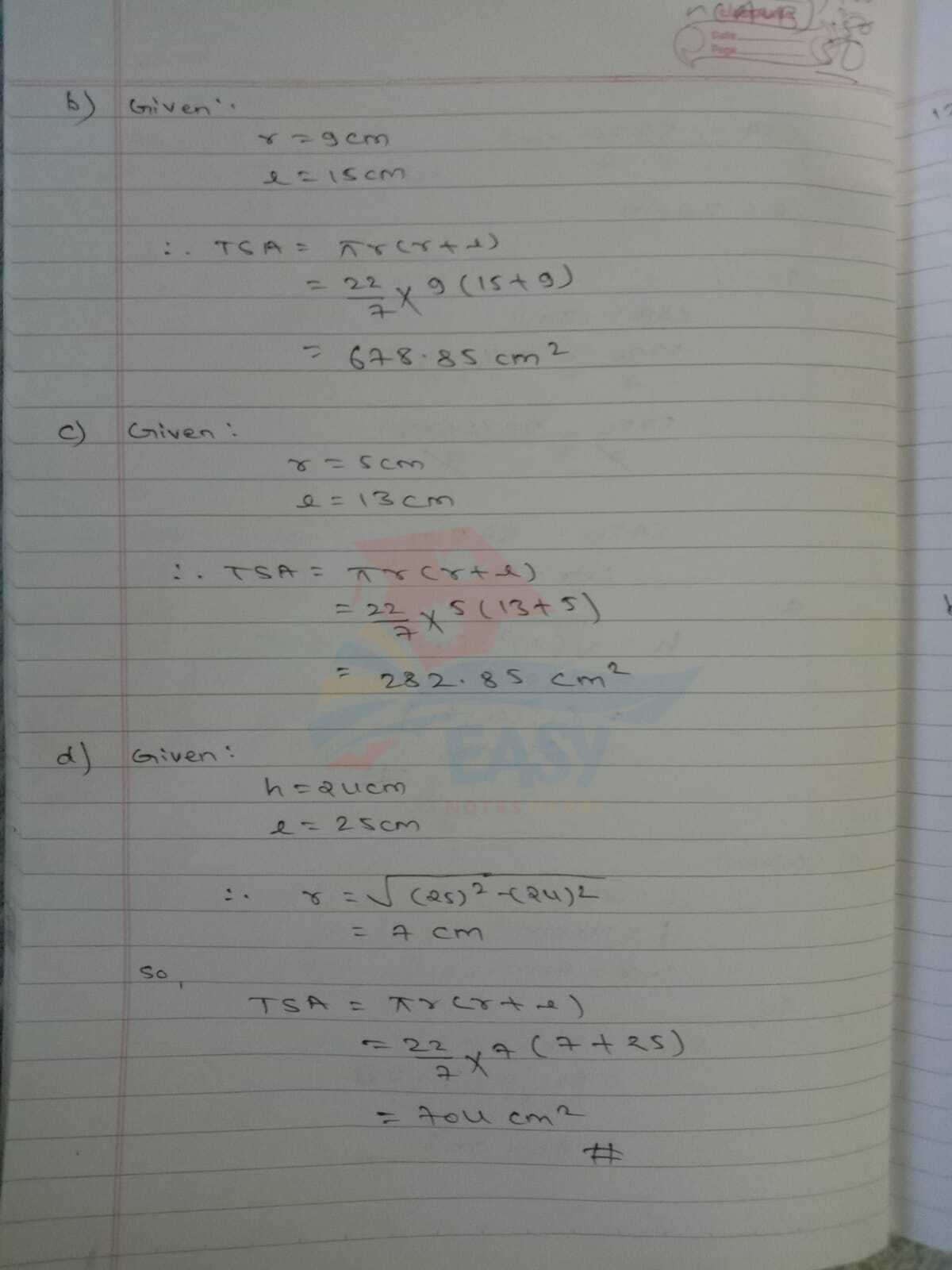
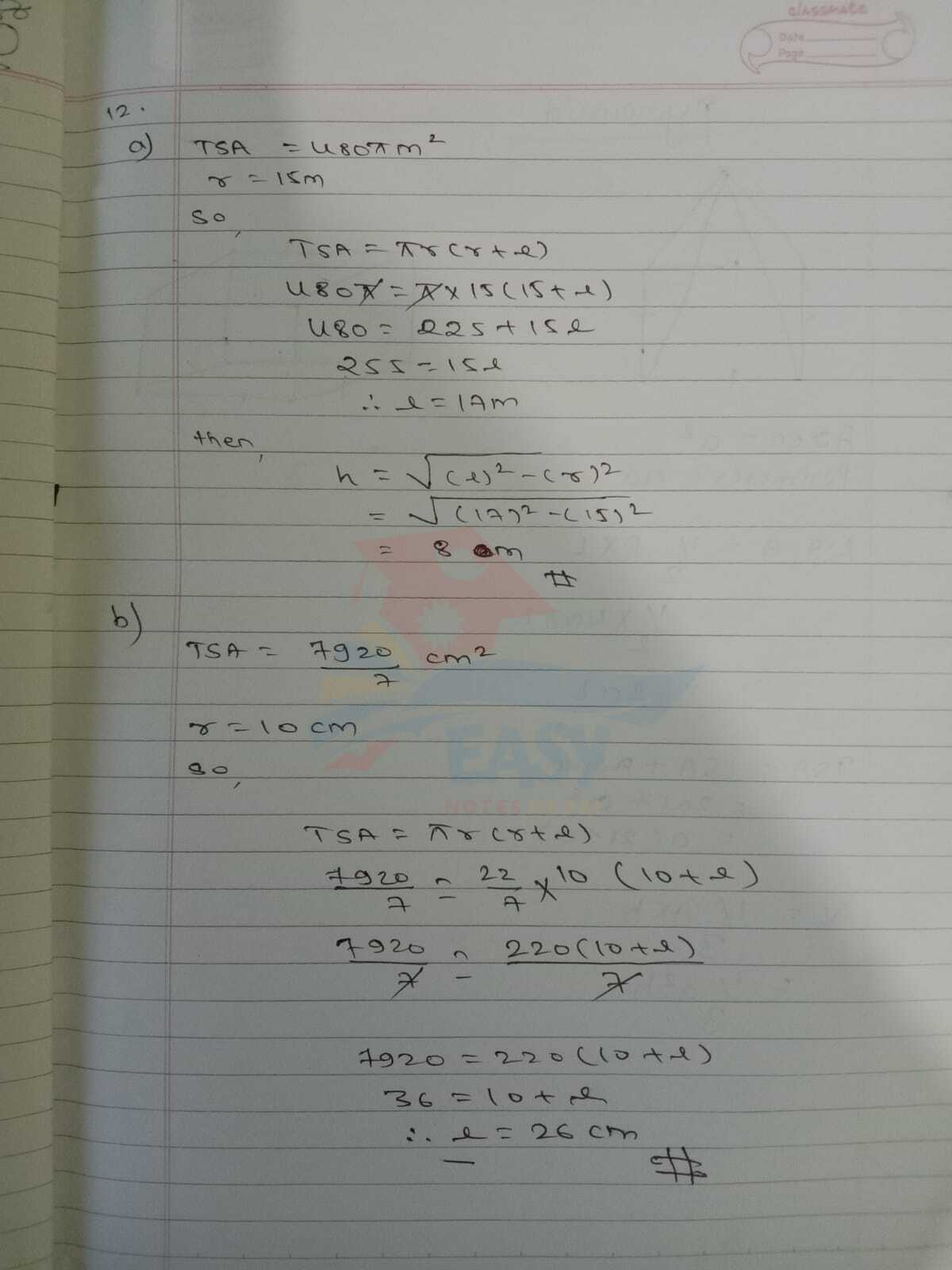
You have access to the full Class 10 Mathematics Unit 5 notes with diagrams, solved examples, and important formulas.
💡 Exam Tip
Carefully identify whether the height given is perpendicular or slant height. If not given, use Pythagoras theorem to find the missing height before applying formulas.