Class 10 Science Lesson 5 Note
#Unit -5 Physiological Structure and Life Process
1. Choose the correct options for the following questions.
a) Which of the following sets of organs belong to the circulatory system?
i. heart, blood, and lung
ii. heart, blood, and blood vessel
iii. heart, liver, and lung
iv. heart, blood vessel, and liver
Answer: ii. heart, blood, and blood vessel
b) Which of the following blood cells is without a nucleus?
i. neutrophil
ii. lymphocyte
iii. monocyte
iv. platelet
Answer: iv. platelet
c) Which disease is caused due to the deficiency of haemoglobin?
i. diabetes
ii. haemophilia
iii. anaemia
iv. leukemia
Answer: iii. anaemia
d) How many chambers are there in the human heart?
i. 2
ii. 3
iii. 4
iv. 5
Answer: iii. 4
e) What is the cause of systolic pressure on the wall of the artery during the contraction phase of the ventricle?
i. Excessive pressure is created inside the heart.
ii. Pressure produced in the left ventricle of the heart is transmitted to the artery.
iii. The artery also contracts at the time of contraction of the left ventricle.
iv. Blood becomes thicker at the time of contraction of the left ventricle.
Answer: ii. Pressure produced in the left ventricle of the heart is transmitted to the artery.
f) A person feels thirstier, hungrier, dizzy, and sometimes faints, has frequent urination, blurred vision, etc. What is his/her problem?
i. high blood pressure
ii. high blood sugar in blood
iii. problem of uric acid
iv. anaemia
Answer: ii. high blood sugar in blood
g) Which of the following tests is appropriate to identify the blockage in a coronary artery during the pain in the heart?
i. test of blood pressure of heart
ii. angiogram
iii. ECG
iv. measuring heartbeat
Answer: ii. angiogram
h) Saambhawi hurt on her leg when she hit a stone while playing in school. Despite various efforts, her bleeding did not stop. What is the reason for this?
i. lack of haemoglobin in blood
ii. lack of white blood cells in blood
iii. lack of platelets in blood
iv. lack of red blood cells in blood
Answer: iii. lack of platelets in blood
i) Rasmila’s grandfather has a problem of swelling of the joints and pain in the body when he eats red meat, legumes and fried foods. What is his problem?
i. high blood pressure
ii. high blood glucose level
iii. problem of uric acid
iv. anaemia
Answer: iii. problem of uric acid
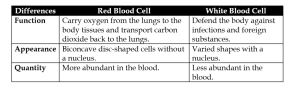
2. Write Differences:
a) Red Blood Cell and White Blood Cell
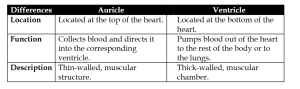
b) Auricle and Ventricle
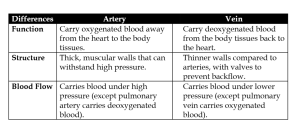
c) Artery and Vein
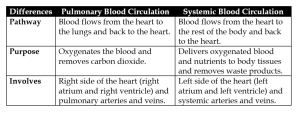
d) Pulmonary Blood Circulation and Systemic Blood Circulation
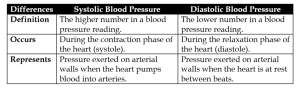
e) Systolic Blood Pressure and Diastolic Blood Pressure
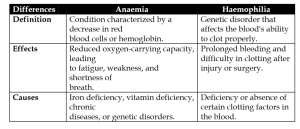
f) Anaemia and Haemophilia
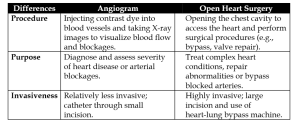
g) Angiogram and Open Heart Surgery
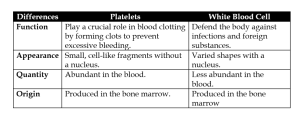
h) Platelets and White Blood Cell
3. Give Reasons:
a. Blood is red.
Ans: Blood appears red because it contains hemoglobin, an iron-containing protein in red blood cells that binds with oxygen. When oxygen binds to hemoglobin, it forms oxyhemoglobin, which gives blood its bright red color.
b. WBCs are like the soldiers of the body.
Ans: White Blood Cells (WBCs) are considered the body’s soldiers because they protect the body against infections by identifying and destroying pathogens. They also produce antibodies and immune responses, acting as defenders against diseases.
c. Wall of ventricle is highly muscular or thicker than the wall of auricle.
Ans: Ventricles have to pump blood with greater force either to the lungs or the entire body, requiring strong muscle walls. Auricles only receive blood and transfer it to the ventricles, so they do not need thick muscular walls.
d. Wall of left ventricle is thicker than the wall of right ventricle.
Ans: The left ventricle needs to pump blood to the entire body through the aorta, which requires high pressure. In contrast, the right ventricle only pumps blood to the lungs, which are close to the heart and require less force.
e. Arteries do not have valves but veins have valves.
Ans: Blood in arteries flows under high pressure directly from the heart, so valves are not required to prevent backflow. Veins carry blood under low pressure, so valves are essential to prevent the backflow of blood, especially from the limbs.
f. A person with anaemia feels tired after a short walk.
Ans: Anaemia leads to a decrease in hemoglobin or red blood cells, reducing the oxygen-carrying capacity of the blood. As a result, the body tissues receive less oxygen, causing fatigue and shortness of breath during even mild activity.
g. Arteries are deeply seated inside the muscles but veins are superficial.
Ans: Arteries are under high pressure and need protection from injury, so they are located deep inside the muscles. Veins, carrying blood under low pressure, can safely be placed closer to the skin surface.
h. Blood group should be tested before transfusion.
Ans: If incompatible blood is transfused, the recipient’s immune system may attack the donor blood, causing serious reactions. Testing ensures safe and compatible transfusion, preventing life-threatening complications.
i. Blood coagulates slower or does not coagulate in haemophilic person.
Ans: Haemophilia is a genetic disorder where the blood lacks certain clotting factors, making clot formation slow or absent. As a result, even small injuries can cause excessive or prolonged bleeding.
4. Answer the following questions:
a. Describe the main parts of the human circulatory system.
Answer: The human circulatory system consists of the heart, blood vessels, and blood. The heart is a muscular organ that pumps blood. Blood vessels include arteries, veins, and capillaries that transport blood throughout the body. Blood is a fluid connective tissue that transports oxygen, nutrients, hormones, and waste products.
b. Write the main function of blood.
Answer: The main function of blood is to transport oxygen and nutrients to the body’s cells and remove carbon dioxide and waste products. It also plays a key role in immunity, temperature regulation, and clotting.
c. When any part of the body is injured, the bleeding stops after a while. Why?
Answer: Bleeding stops because of the process of blood clotting (coagulation). Platelets in the blood gather at the site of injury and release chemicals that form a fibrin clot, sealing the wound and preventing further blood loss.
d. Ramila gets tired even after walking a short distance and also feels difficult to breathe. What is the reason for this? Explain.
Answer: Ramila may be suffering from anaemia, a condition where the blood has a reduced amount of hemoglobin or red blood cells. This results in less oxygen being delivered to the body tissues, causing fatigue and breathlessness.
e. A person has blood pressure 130/90 mmHg. What does this mean?
Answer: This means the person has a systolic pressure of 130 mmHg and a diastolic pressure of 90 mmHg. Systolic pressure indicates the pressure when the heart beats, and diastolic pressure is the pressure when the heart relaxes. A reading of 130/90 mmHg is slightly above normal and may indicate pre-hypertension.
f. Which device is used to measure blood pressure?
Answer: Blood pressure is measured using a sphygmomanometer. It consists of an inflatable cuff, a pressure gauge, and sometimes a stethoscope to listen to the heartbeat.
g. Before the transfusion of blood to a patient, the blood group of donor and receiver is checked by the doctor. Why?
Answer: This is done to ensure compatibility between donor and recipient blood groups. If mismatched blood is transfused, it can cause severe immune reactions, such as agglutination or even death. Hence, matching blood groups is essential for safe transfusion.
h. Sarita’s grandmother shows the symptoms like frequent urination, tiredness, muscular spasm and numbness in hands and legs, and thirst. What is the problem with her?
Answer: These symptoms suggest that Sarita’s grandmother may be suffering from diabetes mellitus, a condition in which the body cannot regulate blood sugar levels properly. Frequent urination and thirst are due to high glucose levels in the blood, causing the kidneys to excrete more water. Tiredness, numbness, and muscular spasms may indicate nerve damage or electrolyte imbalance often associated with uncontrolled diabetes.
i. Mention the effect and preventive measures of high blood pressure.
Answer: Effects: High blood pressure (hypertension) increases the risk of heart disease, stroke, kidney failure, and damage to arteries over time. It can silently damage organs without noticeable symptoms.
Preventive Measures: Maintaining a healthy diet low in salt and fat, regular physical activity, avoiding tobacco and alcohol, managing stress, and regular monitoring of blood pressure are effective ways to prevent and control hypertension.
j. Respiratory system, digestive system and circulatory system in human body are interrelated. Explain this statement with reasons.
Answer: These three systems work together to maintain life processes. The digestive system breaks down food into nutrients like glucose and amino acids. The respiratory system supplies oxygen, which is required for cellular respiration. The circulatory system then transports oxygen and nutrients to the body’s cells and carries away carbon dioxide and waste. Without the integration of these systems, energy production and waste removal in the body would not occur efficiently.
k. How is high or low blood pressure detected?
Answer: Blood pressure is detected using a device called a sphygmomanometer, usually with a cuff wrapped around the upper arm. The pressure is measured in millimeters of mercury (mmHg). A reading of 120/80 mmHg is considered normal. A value significantly higher indicates hypertension, while a lower value may indicate hypotension. Regular checkups and monitoring help detect abnormal levels early.
l. What process in the body is represented by the given figure? Which systems are involved in this process? If the organ system shown in figure 3 were absent, how would the medicine ingested in figure 2 still be able to reach the knee? Explain with reasons.
Answer: These diagrams show the process in which the medicine eaten by a person is absorbed by blood and reaches the knee to relieve pain or treat disease.
The digestive system and blood circulatory system are involved in this process.
If the organ show in figure 3 were absent the medicine ingested in figure 2 would never be able to reach the knee. This is because figure 3 contains the blood circulatory system. This system absorbs medicine from the intestine and transports it to the knee. If it is absent, medicine will neither be absorbed from the intestine nor be transported to the knee.
m. Answer the following questions on the basis of the information given on the table.
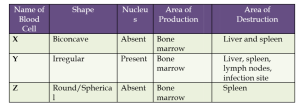
i. Which blood cell deficiency causes anaemia in a person?
Ans: A deficiency of blood cell X, which is the red blood cell (RBC), causes anaemia.
ii. What will be the problem when the number of Y blood cells increases excessively?
Ans: Blood cell If the number of Y blood cells increases beyond normal , they will start to kill X(RBC). It will cause blood cancer.
iii) If blood coagulates slower or does not coagulate in the injured or cut part of a person, which blood cells are below the normal count in that person? What is this condition called?
Ans:This occurs when platelets (also called thrombocytes) are below the normal count.This condition is called haemophilia.
n) While Sarita was walking on the road, she saw an old man suffering from chest pain. She rushed him to the hospital. The initial examination suggested a heart problem. Which test would be appropriate to identify his heart condition? Explain with reason.
Answer: The most appropriate test would be an Electrocardiogram (ECG or EKG).
An ECG records the electrical activity of the heart and helps in detecting abnormalities such as arrhythmias, heart attacks (myocardial infarction), or reduced blood supply to heart muscles. It is quick, non-invasive, and widely used in emergency heart cases.
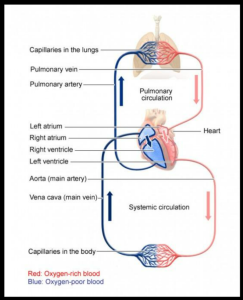
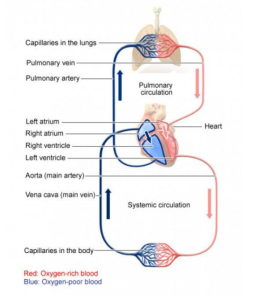
o) Explain the blood circulation in the human body with a diagram.
Answer: Blood circulation in the human body is of two main types: pulmonary circulation and systemic circulation.
Pulmonary Circulation (Heart ↔ Lungs)
- Pulmonary circulation is the part of the circulatory system that carries deoxygenated blood from the heart to the lungs and returns oxygenated blood back to the heart. This process begins when deoxygenated blood from the body enters the right atrium of the heart through two large veins: the superior vena cava and the inferior vena cava. When the right atrium contracts, it pushes the blood into the right ventricle. The right ventricle then contracts and pumps the deoxygenated blood into the pulmonary artery, which carries it to the lungs. In the lungs, blood travels through tiny capillaries surrounding the alveoli, where it releases carbon dioxide and picks up oxygen through the process of gas exchange. The now oxygen-rich blood is then returned to the left atrium of the heart through the pulmonary veins, completing the pulmonary circuit. This circulation ensures that the blood is re-oxygenated before being sent to the rest of the body.
Systemic Circulation (Heart ↔ Body)
- Systemic circulation is the process by which oxygenated blood is pumped from the heart to the entire body and returns as deoxygenated blood back to the heart. This begins when the left atrium receives oxygenated blood from the lungs via the pulmonary veins. The left atrium contracts and sends the blood into the left ventricle, which is the strongest chamber of the heart. When the left ventricle contracts, it pumps the oxygen-rich blood into the aorta, the body’s largest artery. From the aorta, blood flows through a vast network of arteries, arterioles, and capillaries that reach every part of the body. In the capillaries, oxygen and nutrients are delivered to the body’s tissues, and waste products such as carbon dioxide are collected. The now deoxygenated blood is then carried back to the heart through veins, eventually returning to the right atrium via the superior and inferior vena cava. This completes the systemic circuit and prepares the blood for re-oxygenation through the pulmonary circulation.
p) Write the preventive measures for hyperuricemia.
Answer: Hyperuricemia is a condition caused by high levels of uric acid in the blood, which can lead to gout or kidney problems.
Preventive Measures:
- Avoid purine-rich foods such as red meat, organ meat, shellfish, and alcohol (especially beer).
- Drink plenty of water to help the kidneys flush out uric acid.
- Maintain a healthy body weight, exercise regularly, and avoid sugary drinks.
- Limit intake of fructose and sweetened beverages.
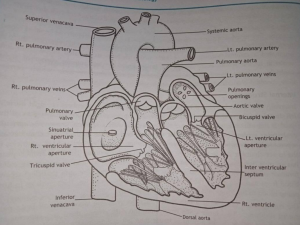
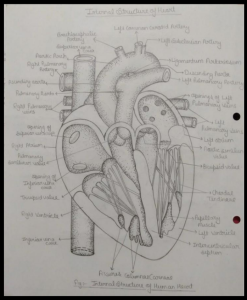
q) Explain the internal structure of the human heart with a neat and labelled diagram.
Answer: The human heart is a muscular organ divided internally into four chambers: two atria on the top and two ventricles at the bottom. The right atrium receives deoxygenated blood from the body through the superior and inferior vena cava and passes it to the right ventricle, which then pumps it to the lungs via the pulmonary artery for oxygenation. On the other side, the left atrium receives oxygenated blood from the lungs through the pulmonary veins and transfers it to the left ventricle, which pumps the oxygen-rich blood to the rest of the body through the aorta. The left ventricle has thicker walls than the right because it needs to pump blood with more force to reach all parts of the body.
The heart also contains valves that ensure one-way flow of blood and prevent backflow. These include the tricuspid valve between the right atrium and right ventricle, the pulmonary valve between the right ventricle and pulmonary artery, the bicuspid (mitral) valve between the left atrium and left ventricle, and the aortic valve between the left ventricle and the aorta. A muscular wall called the septum separates the right and left sides of the heart, preventing the mixing of oxygenated and deoxygenated blood. These internal structures work together in a rhythmic cycle to keep blood circulating efficiently throughout the body.
r) Explain the main causes of a heart attack.
Answer: A heart attack, also known as myocardial infarction, occurs when the blood flow to a part of the heart muscle is blocked for a long enough time that part of the heart muscle is damaged or dies. This blockage usually happens due to problems in the coronary arteries, which supply oxygen-rich blood to the heart.
1. Coronary Artery Disease (CAD)
The most common cause of a heart attack is coronary artery disease. It occurs when fatty deposits (plaque) made of cholesterol, calcium, and other substances build up on the inner walls of the coronary arteries. This process, called atherosclerosis, narrows the arteries and restricts blood flow. If a plaque ruptures, it can form a blood clot that completely blocks the artery, triggering a heart attack.
2. High Blood Pressure (Hypertension)
Consistently high blood pressure puts extra strain on the arteries and heart, making the heart work harder and accelerating plaque buildup in the arteries. Over time, this increases the risk of artery blockage and heart muscle damage.
3. High Cholesterol
Too much LDL (bad) cholesterol in the blood contributes to the formation of plaques in the arteries. These plaques narrow the arteries and can eventually rupture, causing a heart attack.
4. Diabetes
People with diabetes have higher blood sugar levels, which can damage blood vessels and make atherosclerosis worse. Diabetes also increases the risk of high blood pressure and high cholesterol—both heart attack risk factors.
s) Introduce angiogram and its importance.
Answer: An angiogram is a diagnostic imaging test that uses X-rays and contrast dye to visualize the blood vessels, especially the coronary arteries.
Importance:
- Helps detect blockages or narrowing in arteries.
- Used to evaluate patients with chest pain or suspected heart disease.
Assists doctors in planning angioplasty or bypass surgery if needed.
t) Give a brief introduction to open-heart surgery.
Answer: Open-heart surgery is a surgical procedure that involves accessing the heart by creating a large incision in the chest. It is performed under general anesthesia and requires the use of a heart-lung bypass machine, which temporarily takes over the heart’s function and oxygenates the blood while the heart is stopped for surgery. Open-heart surgery is typically performed for various conditions, including coronary artery bypass grafting (CABG) to bypass blocked coronary arteries, valve repair or replacement, congenital heart defect repairs, and heart transplantations. It is a complex and highly specialized procedure carried out by a team of cardiovascular surgeons and support staff in a controlled surgical environment.
u) When Samip’s blood was tested, the number of white blood cells was found to be more than 3000. Which symptoms may appear in his body in this situation? Give a reason.
Answer: An extremely high count of white blood cells (WBCs) could indicate leukocytosis, which might result from infection, inflammation, or even leukemia.
Symptoms may include fever, fatigue, frequent infections, swelling of lymph nodes, or unexplained weight loss. This happens because WBCs may become abnormal or excessive, disrupting the normal immune balance.
v) The level of fibrinogen was found to be high in the plasma of Harish at the time of the blood test. Does this affect his blood circulation or not? Explain with a reason.
Answer: Yes, elevated fibrinogen levels can affect blood circulation. Fibrinogen is a protein involved in blood clotting. High levels can increase blood viscosity and promote excessive clot formation, which raises the risk of heart attack, stroke, or thrombosis by slowing or blocking normal blood flow.
w) Study the given table and answer the following questions.
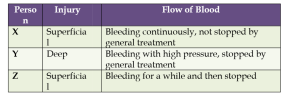
i) Which person suffers from haemophilia?
Ans: Person X is suffering from haemophilia because the bleeding continues even after general treatment, indicating a clotting disorder.
ii) In which person is the artery injured?
Ans: Person Y likely has an artery injury. High-pressure bleeding is a sign of arterial damage, as arteries carry blood under pressure.
iii) Which injury, Y or Z, is more dangerous? Give a reason.
Ans: Injury Y is more dangerous because it involves deep tissue and arterial bleeding, which can result in rapid blood loss and life-threatening conditions if not managed quickly.
x) Read the concept map and answer:
i) What type of blood circulation is shown in the concept map?
→ Systemic circulation is shown. It involves the flow of oxygenated blood from the heart (left ventricle) to various parts of the body (like the kidney) and the return of deoxygenated blood to the heart (left auricle).
ii) In which parts of the concept map do arteries and veins play a role in blood circulation?
→ Arteries carry oxygenated blood from the left ventricle to the kidney.
→ Veins carry deoxygenated blood from the kidney to the left auricle.
y) Look at the given diagram and answer the following questions:
i) Differentiate between blood vessels 15 and 18.
|
Blood vessel 15 |
Blood vessel 18 |
|
|
It is Aorta. |
It is superior Vena cava. |
|
|
It takes pure blood from the left ventricle. |
It brings impure blood into the right auricle. |
ii) Write the function of valve 11 and 13.
Ans: Valve 11: It allows one-way flow of blood from the left auricle to the left ventricle and prevents backflow.
Valve 13: It allows one-way flow of blood from the right ventricle to the lungs.
iii) What happens in the absence of part 4?
Ans: Part 4 is pericardium. If it is absent, there will not be pericardial fluid around the heart. There will be friction between the heart and the chest muscles. It would hurt, disturb the heartbeat and stop the heart.
iv) Label the parts 6, 7, 8 and 9.
Ans: 6 is right auricle, 7 is the left auricle, 8 is the right ventricle and 9 is left ventricle.
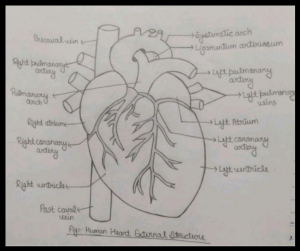
z) Draw the neat and labelled diagram of:
a) External Structure of the human heart.
b) Internal structure of human heart.
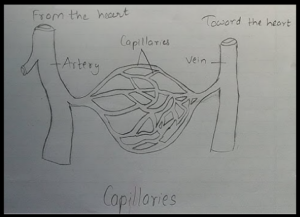
iii) Arteries, veins and capillaries.
iv) Pulmonary Blood circulation
v) Systematic Blood circulation